Aluminum Bar Tips for Buying at the 139th Canton Fair?
The 139th Canton Fair presents a prime opportunity for businesses looking to invest in Aluminum Bar products. With a focus on advanced manufacturing and new materials, this event is pivotal. Reports from industry analysts indicate a growing demand for Aluminum Bars in various sectors, particularly in construction and automotive. In 2023, the global aluminum market was valued at approximately $125 billion, with forecasts projecting continued growth.
Understanding the specific qualities of Aluminum Bars is essential for making informed purchases. Buyers should seek products that meet international standards, such as ISO and CE certifications. These certifications can ensure quality and reliability in the supply chain. However, navigating the wide range of suppliers can be overwhelming. Trade shows like the Canton Fair offer a platform for direct engagement, but finding the right match requires careful consideration and research.
With AI-driven tools enhancing the buyer experience at this year’s fair, potential pitfalls may arise. While these technologies provide efficient paths for product selection, they can also lead to missed opportunities if not used effectively. Buyers must remain vigilant, balancing technology with personal judgment, to avoid decisions based solely on algorithms. Thus, thorough preparation and understanding of the market are crucial for acquiring quality Aluminum Bar products at the fair.
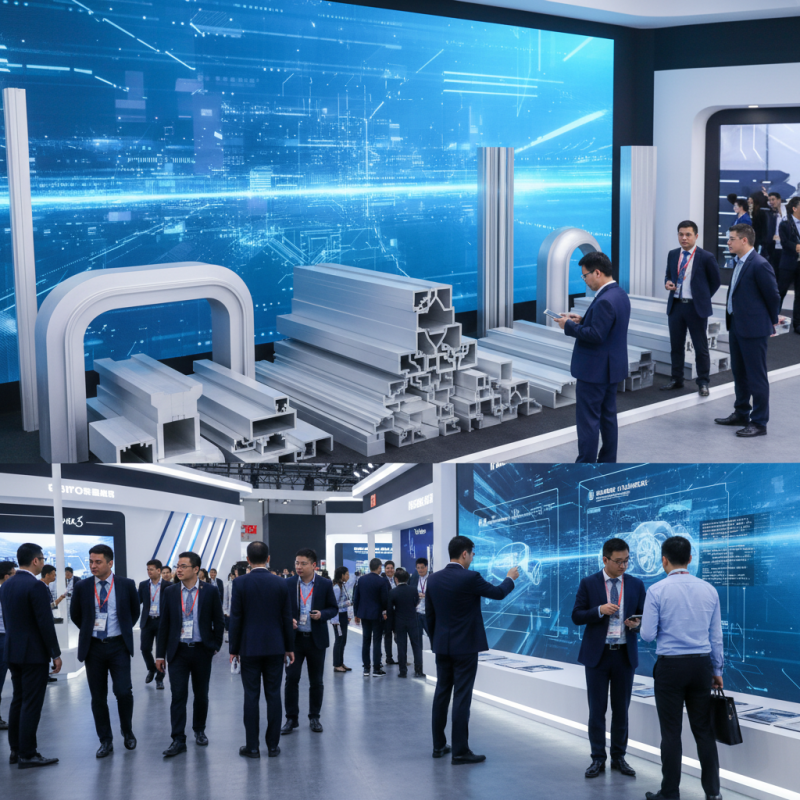
Understanding Aluminum Bars: Types and Applications
Aluminum bars are vital in various industries, including construction, automotive, and aerospace. Understanding the different types is essential before making a purchase. Common types include 6061, 6063, and 7075 aluminum bars. Each type has distinct properties and applications. For instance, 6061 offers good mechanical properties and weldability, making it suitable for structural applications.
According to a report by Grand View Research, the global aluminum market is expected to grow at a CAGR of 5.4% from 2021 to 2028. This surge highlights the increasing demand for aluminum products. Many companies now favor aluminum bars for their lightweight and corrosion-resistant features. However, buyers often overlook quality certifications, which are crucial for ensuring performance and durability.
Moreover, potential challenges exist. Sourcing high-quality aluminum bars can be tricky. Not all suppliers uphold the same standards. Customers must remain vigilant, conducting thorough research. A focus on detailed specifications, such as alloy composition and strength, can mitigate risks. Selecting the proper type depends on specific application needs. Mistakes can be costly, affecting overall project timelines and budgets.
Identifying Quality Indicators for Aluminum Bars
When buying aluminum bars at the 139th Canton Fair, identifying quality indicators is crucial. Start by examining the surface of the bars. Look for smooth finishes and uniformity. Any visible blemishes could indicate inferior quality. Additionally, check the thickness. Quality bars often have consistent thickness, avoiding weak spots.
Tips for ensuring quality include requesting samples. This allows you to assess the material firsthand. Pay attention to weight; high-quality aluminum appears heavier than lower-grade options. When speaking with suppliers, inquire about their manufacturing processes. Ask about the standards they follow. Transparency is often a sign of reliability.
Another aspect to consider is the alloy composition. Knowing the specific alloy you need can guide your selection. Take note of the corrosion resistance; quality aluminum bars usually have enhanced properties. Finally, don’t forget to compare prices. While cheaper options may tempt you, they can lead to disappointing quality. Your choice should balance cost and quality for a successful purchase.
Key Factors to Consider When Buying Aluminum Bars
When purchasing aluminum bars at the 139th Canton Fair, several key factors should be at the forefront of your mind. The quality of the aluminum is crucial. Check if it meets your specifications. Look closely for any visible defects, such as dents or scratches. These imperfections can affect the performance of your final products. Always ask for samples before making large orders. This step can save you a lot of trouble later.
Another important aspect is the supplier's reputation. Research their history and customer feedback. A reliable supplier often has transparent policies and prompt communication. Don't hesitate to ask questions; this shows your seriousness about the purchase. Price is also a factor, but remember that the cheapest option may not always be the best. Compare prices, but consider quality and service as well.
Finally, consider the logistics involved in your purchase. Understand shipping costs and lead times. Delays can disrupt your production schedule. Check the packaging details to avoid damages during transit. This whole process can sometimes feel overwhelming, and mistakes can happen. Reflect on your decisions and stay adaptable. This mindset will help you navigate the fair successfully.
Negotiating Prices and Terms at the Canton Fair
Negotiating prices at the Canton Fair can be quite challenging. Understanding the local market is essential. Research prices beforehand; know what’s fair. The bustling atmosphere can lead to distractions, but focus is key. Many vendors will start with high prices. This is a common strategy, so don't feel pressured.
Building rapport with suppliers is crucial. Smile, and engage them in conversation. This creates a better dialogue and increases trust. Use simple language to express your needs clearly. Be prepared to walk away if terms aren’t favorable. Vendors may offer better deals when they see you're serious. Always remember, your comfort matters too.
Mind the details when discussing terms. Payment methods, delivery times, and quality checks should be addressed. Misunderstandings can lead to disputes. Don’t hesitate to ask questions. It’s okay to seem uncertain; that shows you care. Remember, every negotiation is a learning process. Reflect on what worked and what didn't for future improvements.
Finding Reliable Suppliers for Aluminum Bars at the Fair
When attending the 139th Canton Fair, sourcing aluminum bars requires a strategic approach. Buyers should prioritize finding suppliers who can demonstrate reliability. According to industry reports, approximately 30% of transactions in this sector involve first-time buyers. Evaluating suppliers based on past performance and customer feedback is crucial.
Certifications are essential. Many credible suppliers possess ISO certifications. This ensures they meet international quality standards. Asking for documents can help buyers validate their claims. A study from the Aluminum Association indicates that nearly 25% of aluminum imports fail quality tests due to insufficient supplier checks. This highlights the need for thorough vetting.
Effective communication is vital. Engage with suppliers to assess their responsiveness. Consistent communication reflects a supplier's commitment. However, it's important to remain cautious. Reports show that 15% of suppliers at trade fairs might not fulfill delivery timelines. Directly asking about their production capacity can provide clarity. Buyers must trust their instincts and remain critical to avoid future issues.