Top 10 Benefits of Chemical Diaphragm Pumps for Global Buyers?
In today's industrial landscape, the demand for reliable and efficient pumping solutions is ever-increasing. The chemical diaphragm pump stands out as a preferred choice for many global buyers. This technology offers unique advantages that make it suitable for various applications. From pharmaceuticals to wastewater management, the versatility of these pumps is commendable.
One of the key benefits is their ability to handle corrosive fluids safely. This characteristic is crucial for industries that deal with hazardous materials. Additionally, the diaphragm design minimizes the risk of leakage, enhancing safety. Many companies appreciate the maintenance ease, which can lead to significant cost savings over time. However, potential users should not overlook the importance of selecting the right model for their specific needs.
While the efficiency of a chemical diaphragm pump is evident, like all technologies, they have limitations. Understanding these can help buyers make informed decisions. Awareness of the specific application requirements and limitations will lead to better outcomes. Overall, embracing the benefits of chemical diaphragm pumps can transform operational workflows and improve safety measures.
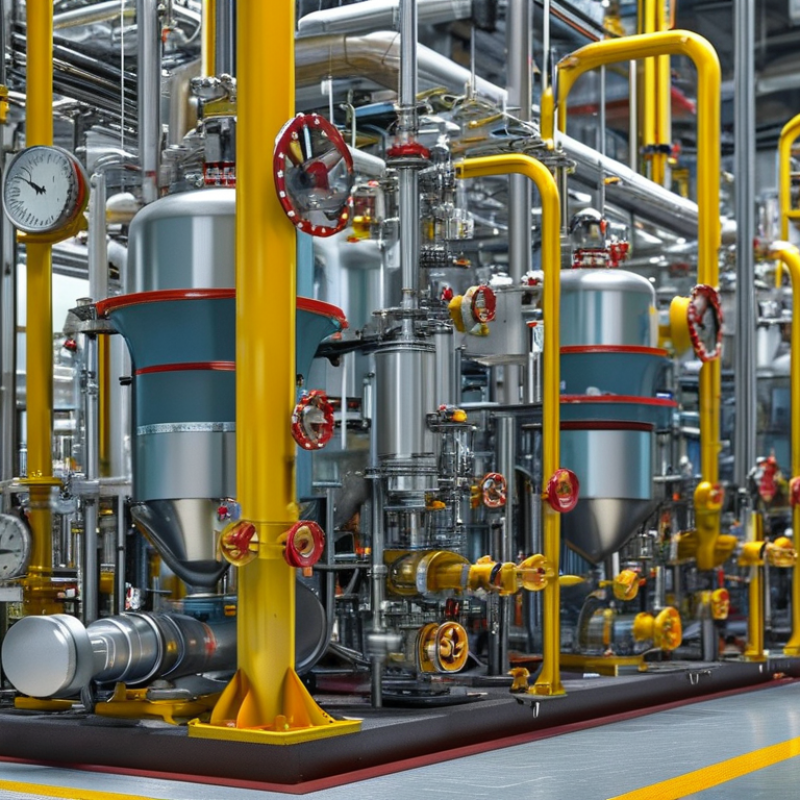
Key Advantages of Chemical Diaphragm Pumps in Various Industries
Chemical diaphragm pumps offer significant advantages across various industries. They are particularly valued for their ability to handle aggressive fluids with precision. According to a report by Global Market Insights, the demand for diaphragm pumps is projected to witness a steady growth rate of 5% from 2023 to 2030.
One of the key benefits is their leak-free operation, which is critical in chemical processing. A study found that 70% of pump failures are due to leaks. Diaphragm pumps mitigate this risk, reducing downtime and maintenance costs. They also excel in delivering consistent flow rates, essential for applications like water treatment and pharmaceuticals.
Moreover, these pumps are versatile. They can manage various fluid types, including viscous, corrosive, and abrasive materials. However, selecting the right diaphragm pump can be challenging. Users must consider factors like material compatibility and flow requirements. The industry needs ongoing training to optimize performance and address potential issues. Continual innovation and understanding of pump dynamics are necessary to fully leverage their capabilities.
How Chemical Diaphragm Pumps Enhance Safety and Reliability
Chemical diaphragm pumps are essential in industries handling corrosive chemicals. Their unique design ensures minimal leakage, which significantly enhances safety. According to a report by the Chemical Engineering World, improper handling of chemicals costs the industry over $1 billion annually in damages and safety violations. Chemical diaphragm pumps mitigate such risks effectively.
Reliability is another critical aspect. These pumps offer consistent performance even under varying pressures. A study by the International Pump Manufacturers Association indicates that diaphragm pumps have a failure rate of only 0.5%, compared to 3-5% for traditional pumps. This reliability is crucial in applications like water treatment and chemical processing.
However, it’s important to note that not all diaphragm pumps are created equal. Variability in materials and design can lead to performance differences. Regular inspection and maintenance are essential to ensure they meet safety standards. Users must assess their specific needs for optimal performance. Overall, the choice of a diaphragm pump can profoundly impact safety and operational efficiency in chemical handling.
Cost-Effectiveness of Chemical Diaphragm Pumps for Global Buyers
Chemical diaphragm pumps offer significant cost advantages for global buyers. These pumps are designed to handle corrosive and abrasive fluids efficiently. Their robust construction often leads to lower maintenance costs. By reducing the need for frequent repairs, buyers save money in the long run. Additionally, these pumps have a long operational life, making them a reliable choice.
Another aspect of cost-effectiveness is energy efficiency. Chemical diaphragm pumps typically consume less power than other pumping solutions. This translates to lower energy bills for users. Moreover, these pumps maintain high performance with minimal downtime. Buyers can expect to achieve optimal productivity levels.
However, buyers should also consider purchasing costs. While initial investments may seem high, the total cost of ownership often reveals substantial savings. It’s essential to analyze your specific needs before deciding. Not all pumps are created equal, and some may not fit unique applications. Understanding your operational requirements can prevent unnecessary expenditure.
Applications of Chemical Diaphragm Pumps in Hazardous Environments
Chemical diaphragm pumps play a critical role in hazardous environments. These pumps are specifically designed to handle corrosive and viscous liquids safely. Research shows that around 25% of workplace incidents involve chemical spills. Therefore, reliable pumps can significantly mitigate these risks. Their robust design prevents leaks, ensuring safety in environments such as chemical plants and waste treatment facilities.
Moreover, the versatility of diaphragm pumps allows for various applications. They are suitable for transferring acids, caustics, and solvents. According to industry reports, diaphragm pumps can operate in temperatures ranging from -20°C to over 100°C, making them suitable for extreme conditions. However, regular maintenance is crucial to avoid unforeseen malfunctions. Their ability to run dry enhances their reliability, yet this feature requires careful monitoring to prevent wear.
The user experience often highlights the pumps' ease of use and adaptability. Many operators appreciate that these pumps can be easily disassembled for cleaning or repairs. However, some users have noted that the initial setup can be complex. Continuous training and proper guidelines can help overcome these challenges. Balancing safety measures with operational efficiency remains a critical concern in hazardous environments, emphasizing the need for quality pumps.
Comparative Analysis: Diaphragm Pumps vs. Other Pump Types
Chemical diaphragm pumps are increasingly favored in industrial applications. Their design enables them to handle corrosive and viscous fluids with ease. Compared to centrifugal pumps, diaphragm pumps offer superior handling of challenging materials. A recent industry report indicates that diaphragm pumps can significantly reduce leakage risk, enhancing workplace safety and minimizing maintenance costs.
In addition to safety, diaphragm pumps provide excellent flow control. Unlike positive displacement pumps, diaphragm models can operate at varying speeds without compromising performance. This flexibility allows for energy efficiency, a crucial factor in today's competitive landscape. The global diaphragm pump market is projected to grow at a CAGR of 6.2% from 2021 to 2028, emphasizing their rising relevance in various sectors.
However, not all applications suit diaphragm pumps. They may underperform in transferring large volumes of water compared to alternative options like screw or gear pumps. Certain processes may require more robust systems for continuous operations. A thorough assessment is essential to determine the optimal pump type for specific needs. Balancing benefits with limitations is vital for making informed purchasing decisions.