10 Best Water Pumps for Home and Industrial Use

A reliable water pump rarely attracts attention until a tap sputters, a basement drain backs up, or a production line loses pressure. Choosing the right unit can prevent those disruptions. But “best” depends on the job: a shallow-well pump faces different demands from a sewage, booster, or industrial process pump.

The U.S. Department of Energy reports that pumping systems can account for 25% to 50% of electricity use in some industrial facilities. That figure makes efficiency more than a technical detail. For homeowners, the practical concerns may be quieter operation, dependable pressure, and manageable maintenance. For industrial buyers, flow rate, head, duty cycle, materials, and service access deserve close attention. A pump that looks powerful on a product page may still be poorly matched to the system.

Details matter. Check the water source, required flow, vertical lift, pipe size, and whether the water contains sediment or chemicals. Then compare rated performance, energy use, installation needs, and warranty terms. This guide examines ten water pump options for home and industrial use, using these factors to frame their strengths and limitations. No single model fits every site. Even careful comparisons have limits; real-world plumbing, operating conditions, and maintenance can change results.
10 Best Water Pumps for Home and Industrial Use

How Water Pumps Work and What They Are Designed to Do

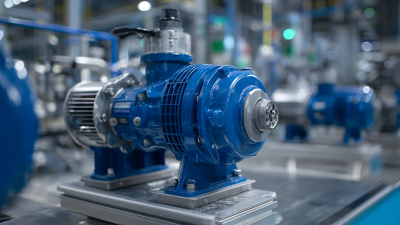
A water pump moves water by adding energy, usually through an electric motor or engine. In a centrifugal pump, a spinning impeller accelerates water outward; the casing then helps convert that motion into pressure. Positive-displacement pumps work differently: they trap and push measured volumes of fluid. Different job, different physics. At home, this might mean lifting water from a well or boosting pressure for a shower. Industrial pumps may circulate cooling water or move process fluids through long pipe networks.

Choosing a pump means matching flow rate and total head—the height and resistance the water must overcome—to the actual system. Pipe bends, narrow fittings, and clogged filters all add resistance. The U.S. Department of Energy’s Improving Pumping System Performance sourcebook reports that pumping systems use nearly 20% of global electricity demand. In some industrial plants, they account for 25–50% of energy use. The figures show why an oversized pump can waste power, even when it appears to work well.

Tips: Check the pump’s flow and head curves against your real operating conditions, not just its maximum rating. Measure pressure and flow where practical. Keep filters clear, and listen for rattling or cavitation. Small details matter. A neat calculation can still miss changing demand; inspect performance after installation, too.

Common Water Pump Types for Home and Industrial Applications

Choosing a pump starts with the water source, required flow, lift, and fluid condition. A household pressure booster can steady weak taps, while a jet pump may suit a shallow well. Submersible pumps operate underwater and commonly serve deep wells, sumps, and drainage pits. At industrial sites, centrifugal pumps move large, steady flows; positive-displacement pumps are often better for viscous fluids or controlled dosing. These types are not interchangeable.

The Food and Agriculture Organization’s AQUASTAT data indicates that agriculture accounts for about 70% of global freshwater withdrawals, helping explain the scale of irrigation pumping needs. In practice, the right choice also depends on pipe friction, solids, temperature, and operating hours. Selection charts look tidy; real systems can be less so. A partly blocked intake can change performance noticeably.

Tips: Measure the vertical lift and estimate the flow you actually need before comparing models. Check the pump curve at your required duty point, not just its maximum flow rating. For dirty water, confirm the permitted particle size and use an accessible strainer. Leave room for maintenance, too. A pump that fits the space but cannot be serviced is a frustrating choice.

Key Factors to Consider When Choosing a Water Pump

Choosing a water pump starts with the job, not the advertised horsepower. Estimate the required flow rate and the vertical distance water must travel. A pump moving water across a flat garden faces a different load from one lifting it into an upper-floor tank. Check the pump’s performance chart at your actual lift height; maximum flow figures often assume easier conditions. Small details matter. Measure the pipe route, too, because narrow or long pipes can reduce flow.

Next, match the pump to the water and its surroundings. Clean water, muddy water, and water containing small debris may require different impeller designs. For a basement, consider an automatic float switch and an alarm, then check how easily the unit can be reached for cleaning. Industrial installations may need continuous-duty ratings, compatible seals, and suitable electrical protection. Noise matters, too. A pump beside a bedroom can become a daily irritation. Compare energy use, service access, and replacement-part availability, not just purchase price. One judgment call remains: real demand can be hard to predict. Leave a reasonable margin, but avoid oversizing, which may waste energy or cause frequent cycling.

10 Best Water Pumps for Home and Industrial Use

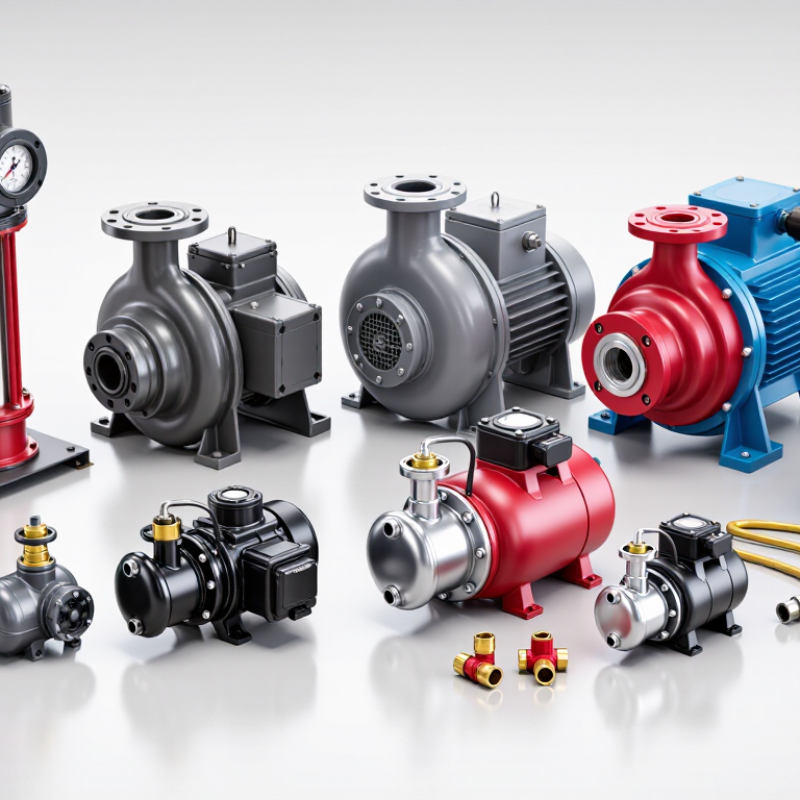
Choosing among the 10 best water pumps for home and industrial use starts with the job, not the motor size. For homes, submersible well pumps lift water from deep sources, while shallow-well jet pumps suit accessible groundwater. Booster pumps improve weak pressure; sump pumps remove basement water. Sewage ejector pumps handle solids, and portable transfer pumps move clean water between tanks. Small details matter. Measure the vertical lift, pipe length, and required flow before buying.

Industrial sites may need end-suction centrifugal pumps for general transfer, multistage centrifugal pumps for higher pressure, split-case pumps for large flows, or diaphragm pumps for challenging fluids. Check liquid temperature, solids, operating hours, and maintenance access. A pump that looks powerful can still be a poor match. I would verify the duty point with a qualified supplier, especially for continuous service.

Energy use deserves attention. The U.S. Department of Energy’s Improving Pumping System Performance guide estimates that pumping systems use nearly 20% of global electricity demand and 25–50% of energy in some industrial facilities. The USGS’s Estimated Use of Water in the United States in 2015 reports withdrawals of about 322 billion gallons daily nationwide. Those figures show why efficiency and correct sizing matter. Yet real installations can be imperfect: clogged screens, air leaks, or oversized pipes may quietly reduce performance. Check filters and listen for unusual vibration. Small checks help.

Installation, Operation, and Maintenance Essentials

A dependable pump installation begins with matching the unit to the job. Check the required flow rate, lift height, pipe size, and water conditions before positioning it. A pump that is too small may run constantly; an oversized one can cycle frequently and wear sooner. Read the installation manual, even if the layout seems familiar.

Set the pump on a stable, level base where it stays dry and remains accessible for inspection. Use correctly sized pipes, support them so their weight does not strain the connections, and seal joints carefully. Fit a strainer where debris could enter, and install a check valve when the system design calls for one. Electrical work should follow the pump’s specifications and local requirements; use a qualified electrician if wiring is uncertain. Small shortcuts can become expensive.

Before startup, prime the pump if required and open the necessary valves. Watch for leaks, unusual vibration, and changes in pressure. Stop it if it runs dry, overheats, or makes a sudden grinding sound. A quiet pump is not always a healthy pump. Check seals, fittings, filters, and electrical connections on a regular schedule, and clear sediment before it builds up. Keep a simple service log with dates and observed changes. Maintenance intervals vary, and real systems rarely behave exactly as expected.