Why Choose the Best Sanitary Pumps for Your Business Needs?
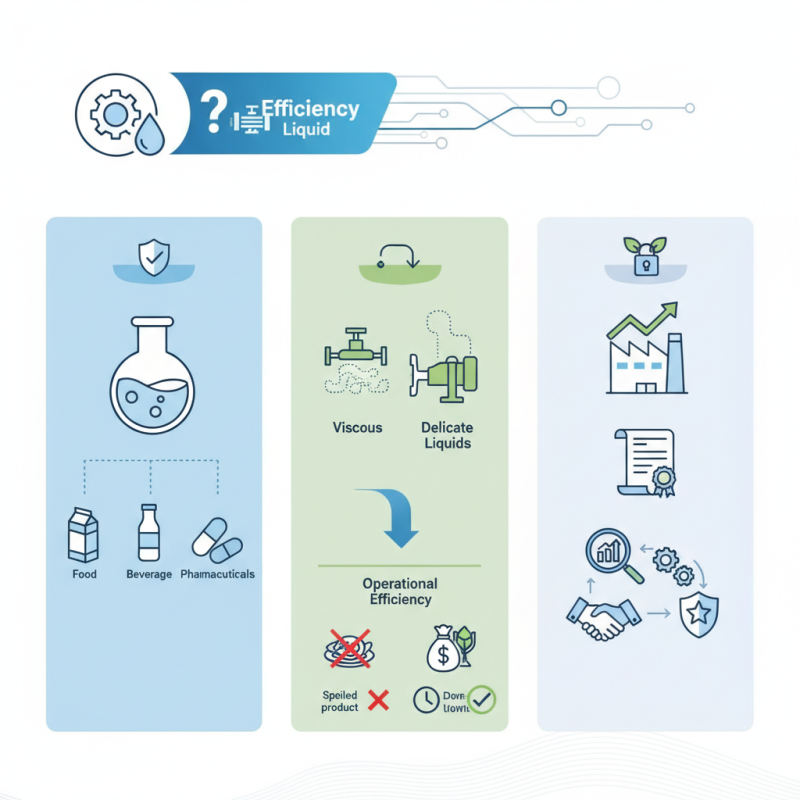
In the realm of food, beverage, and pharmaceutical industries, the choice of sanitary pumps is crucial. These pumps play a vital role in maintaining hygiene standards. They are designed to efficiently move liquids while preventing contamination. Choosing the right pump can directly impact operational efficiency.
Sanitary pumps come in various types, each suited for different applications. Understanding these variations is essential. For instance, some pumps can handle viscous materials, while others excel in transporting delicate liquids. The wrong choice may lead to product spoilage or costly downtime. Your business deserves pumps that not only meet industry standards but also ensure safety.
The demand for reliable sanitary pumps continues to rise. With increasing regulations, businesses must prioritize quality. It is critical to invest in pumps from reputable manufacturers. Not all pumps are created equal. Taking time to choose wisely can save money and enhance product quality in the long run.
Understanding the Importance of Sanitary Pumps in Various Industries
Sanitary pumps play a critical role across various industries, ensuring cleanliness and safety. These pumps are essential in food processing, pharmaceuticals, and cosmetics. Their design minimizes contamination risk, making them ideal for transferring sensitive materials. In industries that deal with consumables, hygiene is paramount. Poor quality pumps can lead to product spoilage and health risks.
Understanding the significance of sanitary pumps involves recognizing their unique features. They often have smooth surfaces and easy-to-clean designs. This is crucial for preventing the growth of harmful bacteria. Regular maintenance is necessary, but not always prioritized. Neglected pumps can fail, leading to costly downtime. This highlights the importance of reliable equipment in maintaining operational efficiency.
Moreover, the choice of sanitary pumps should reflect specific business needs. Each industry has unique requirements. A pump that works well in food may not be suitable for pharmaceuticals. Assessing these needs involves consulting experts and conducting thorough evaluations. Ignoring these factors can result in inadequate performance and increased risks.
Key Features to Consider When Selecting Sanitary Pumps for Your Business
Choosing the right sanitary pumps for your business is crucial.
When selecting, consider materials. Pumps must withstand harsh environments.
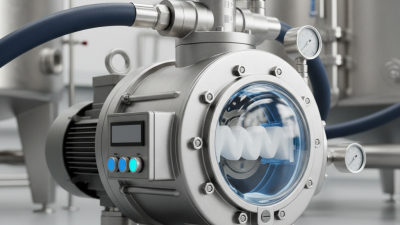
Stainless steel is a common choice due to its durability and resistance to corrosion.
It ensures product safety and enhances longevity.
Next, think about the pump's design. A smooth, crevice-free design minimizes contamination.
Easy cleaning features are essential. Consider the maintenance requirements too. Some pumps may need more frequent servicing, impacting operational downtime.
Reviewing the manufacturer's support can also provide insights into reliability.
Performance metrics matter as well. Look at flow rates and pressures suitable for your application.
A pump not meeting specs can lead to inefficiencies. Remember, selecting a pump isn’t solely about price.
Invest time in assessing long-term costs versus upfront expenses.
This reflection can prevent future headaches.
Comparing Different Types of Sanitary Pumps: Pros and Cons
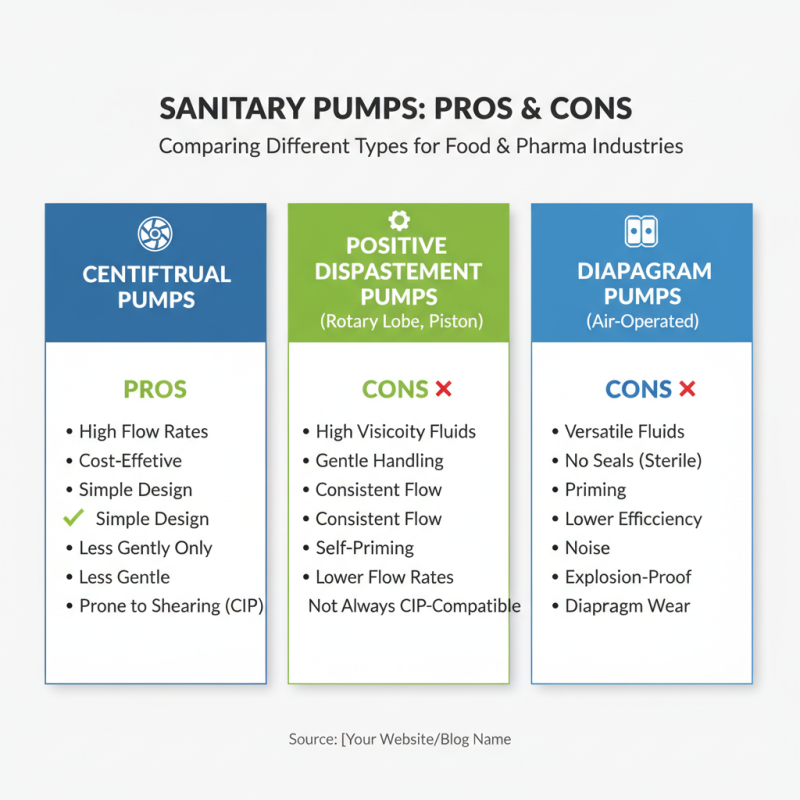
Sanitary pumps are crucial in various industries, especially in food and pharmaceutical sectors. Each type of pump comes with distinct advantages and disadvantages. Understanding these can greatly influence your business choice.
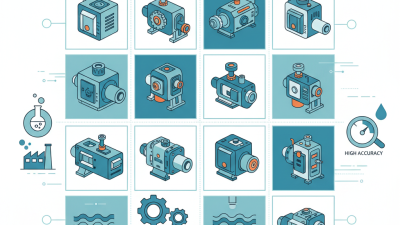
Positive displacement pumps, for example, excel in handling viscous fluids. They provide accurate flow rates. However, they may require more maintenance due to their complex mechanisms. On the other hand, centrifugal pumps are simpler and often more cost-effective. They work efficiently with low-viscosity liquids. Yet, their inability to handle thicker fluids can be a drawback.
Considering sanitary standards is also essential when selecting a pump. Some pumps are easier to clean and maintain, which helps prevent contamination. However, achieving these standards may increase initial costs. It’s important to weigh these factors based on your specific needs. Regularly assessing your equipment can lead to better decision-making.
Evaluating the Cost-Effectiveness of High-Quality Sanitary Pumps
Choosing the right sanitary pumps is crucial for businesses in various sectors. High-quality sanitary pumps can initially have a higher cost, but their long-term benefits often outweigh these expenses. A recent industry report suggests that efficient pumps can reduce operational costs by up to 25%. This is primarily due to their reliability and lower maintenance needs.
Investing in top-tier pumps leads to consistent performance and minimizes downtime. These pumps often feature advanced materials and designs that enhance durability. According to a study, facilities using high-quality pumps report fewer failures, boosting productivity. Yet, some companies overlook the long-term value and prioritize upfront costs. This approach can lead to higher expenditures on repairs and replacements, ultimately affecting profitability.
It is important to consider the total cost of ownership. Although high-quality pumps require a larger initial investment, the ROI can be significant over time. Careful evaluation of these factors can help businesses make informed decisions. Selecting the best sanitary pumps is not just about the price tag; it’s about ensuring reliability and efficiency that can support growth.
Cost-Effectiveness of High-Quality Sanitary Pumps
Best Practices for Maintaining Sanitary Pumps for Optimal Performance
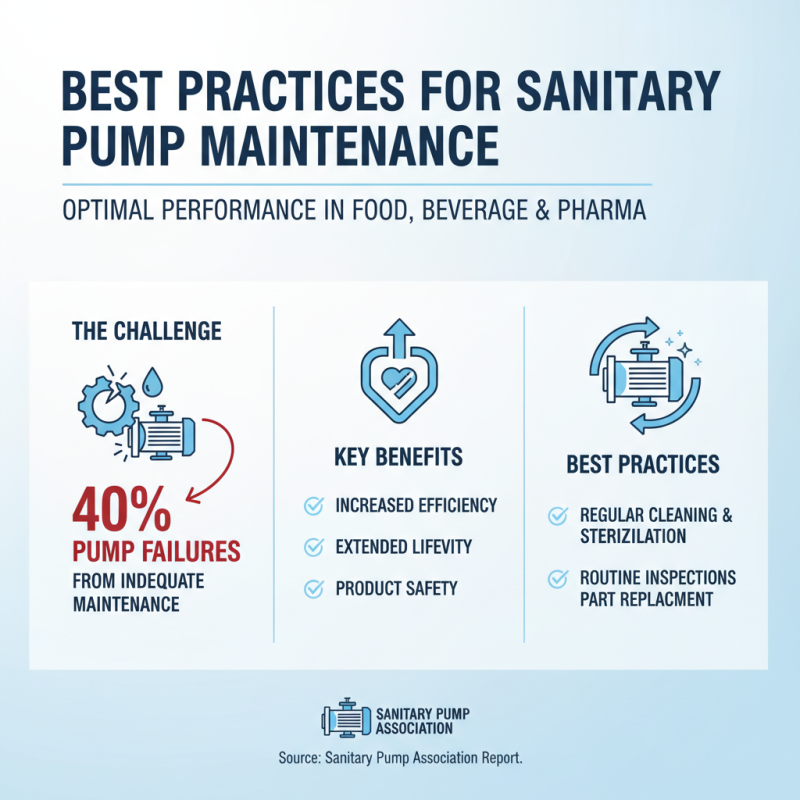
Maintaining sanitary pumps is crucial for optimal performance in food, beverage, and pharmaceutical industries. Regular maintenance ensures efficiency and longevity. According to a report from the Sanitary Pump Association, 40% of pump failures result from inadequate maintenance. This statistic emphasizes the need for consistent upkeep.
To maintain these pumps, implement a regular inspection schedule. Check for leaks and unusual vibrations. Monitor the pump's performance metrics, focusing on pressure and flow rates. Any significant deviation may indicate a problem. Ensure that the seals and gaskets are in good condition to prevent contamination.
Tip: Clean the pump regularly using approved sanitizing agents. This prevents buildup and ensures hygienic operations. Pay attention to any signs of wear. If a component shows signs of deterioration, replace it promptly.
Training staff on proper pump operation is also vital. According to industry experts, knowledgeable operators can identify issues early, reducing downtime. Encourage an environment where employees report anomalies without fear. This culture can be invaluable for maintaining equipment reliability.