10 Essential Tips for Choosing the Right Transfer Pump for Your Needs?
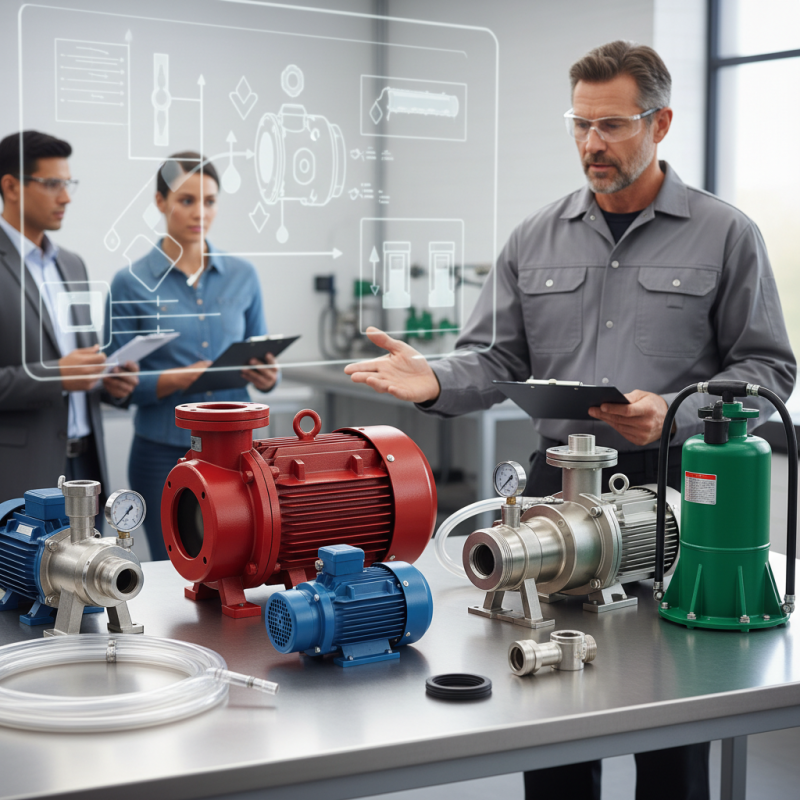
Choosing the right transfer pump can be challenging. With various options available, understanding your specific needs is crucial. Industry expert, John Miller, emphasizes, "The right pump makes all the difference in efficiency and effectiveness."
Different projects require different types of transfer pumps. From water drainage to fuel transfer, each task demands careful consideration. It's important to evaluate factors like flow rate, material compatibility, and pump design.
Many users overlook these details, resulting in poor performance. A pump that works well in one scenario may fail in another. Therefore, take your time to reflect on your application. Consider both immediate and long-term needs. Investing in the right transfer pump can enhance your workflow significantly.
Understanding Different Types of Transfer Pumps and Their Applications
When it comes to transfer pumps, understanding the types available is crucial for making an informed choice. Here's a closer look at centrifugal and positive displacement pumps. Centrifugal pumps are ideal for moving low-viscosity fluids quickly. They work well in agricultural and industrial settings. The flow rate is high, but they struggle with thick liquids or slurries. Always consider the fluid's characteristics before choosing this type.
Positive displacement pumps excel in handling viscous fluids. They operate by trapping a fixed amount of liquid and forcing it through the discharge. These pumps are suitable for applications like food processing or chemical transfers. However, they may require more maintenance, and their flow rate can be less consistent. It’s important to weigh the trade-offs between efficiency and upkeep.
Choosing a transfer pump involves more than just knowing the types. You must also gauge your specific requirements. Are you moving water, oil, or something more viscous? Each fluid poses different challenges. The pump’s power source is another pivotal factor. Electric or gasoline? Each has its advantages and drawbacks. It's worth exploring your options. A detailed assessment will lead you to a suitable choice for your needs.
10 Essential Tips for Choosing the Right Transfer Pump for Your Needs
| Tip Number |
Tip Description |
Type of Pump |
Common Applications |
| 1 |
Determine the fluid type and compatibility. |
Centrifugal Pump |
Water transfer, chemical handling. |
| 2 |
Consider the required flow rate. |
Diaphragm Pump |
Sewage, sludge transfer. |
| 3 |
Assess the pump head required. |
Positive Displacement Pump |
High-viscosity fluids. |
| 4 |
Evaluate the power source (electric, gas, manual). |
Submersible Pump |
Dewatering, groundwater extraction. |
| 5 |
Look at the pump size and portability. |
Transfer Pump |
General purpose liquid transfer. |
| 6 |
Check for ease of maintenance. |
Gear Pump |
Hydraulic fluids, oil. |
| 7 |
Consider the material construction for durability. |
Piston Pump |
High-pressure applications. |
| 8 |
Review noise levels and operational efficiency. |
Vacuum Pump |
Industrial applications. |
| 9 |
Investigate safety features available. |
Multistage Pump |
High-pressure water supply. |
| 10 |
Consult with a professional for recommendations. |
Solar Pump |
Remote areas, irrigation. |
Key Factors to Consider When Selecting a Transfer Pump
Choosing the right transfer pump involves understanding key factors that impact your selection.
Start by assessing the pump's flow rate. It dictates how quickly you can move liquids.
For small jobs, a pump with a lower flow rate suffices. Larger tasks may require a high-capacity pump.
It's crucial to match the pump's output with your specific needs.
Next, consider the type of liquids you'll be transferring. Some pumps handle water well, while others are capable of transferring
viscous fluids or chemicals. Always check compatibility to prevent damaging the pump.
Additionally, look into the pump's materials. Corrosive environments demand durable components.
Stainless steel or reinforced plastics often withstand these challenges better.
Don't overlook power source options. Electric pumps offer convenience, while gas-powered models provide mobility for remote locations.
However, weight and ease of transport might become an issue. Make note of your power limitations.
Lastly, ask about maintenance requirements. Some pumps are hard to service or have shorter lifespans.
Regular maintenance keeps them running efficiently. Reflect on these factors to ensure you make an informed choice.
Assessing Flow Rate and Pressure Requirements for Your Pumping Needs
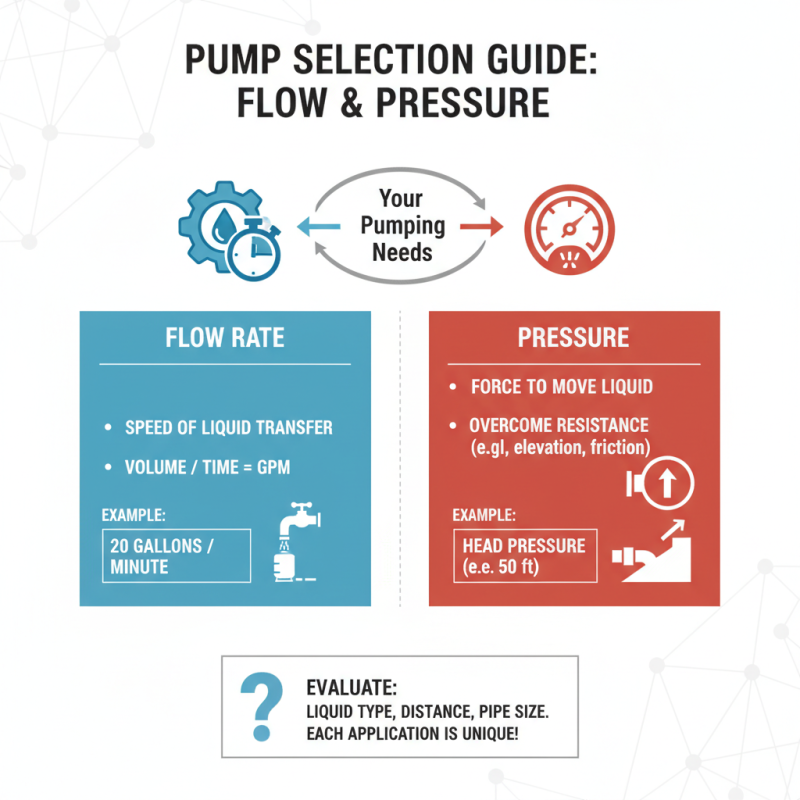
When assessing flow rate and pressure requirements for your transfer pump, start by understanding your specific needs. Flow rate is essential as it determines how quickly liquid moves through the pump. Evaluating the volume of liquid and time frame for transfer is crucial. For instance, a flow rate of 20 gallons per minute might be ideal for one project but insufficient for another. Each application is unique, and recognizing these variations aids in selecting the right pump.
Pressure requirements also play a significant role. Different tasks may require varying pressure levels, influencing the pump's efficiency. If the liquid must move vertically, a higher pressure might be necessary to overcome gravity. Conversely, a flat horizontal transfer could need less pressure. At times, users underestimate the importance of pressure, leading to operational difficulties. Thus, it’s vital to calculate these specifications before making a purchase. Understanding these aspects can make a significant difference in achieving desired results. The right balance of flow rate and pressure ensures not just efficiency, but also reliability in your pumping operations.
Evaluating Power Sources and Portability of Transfer Pumps
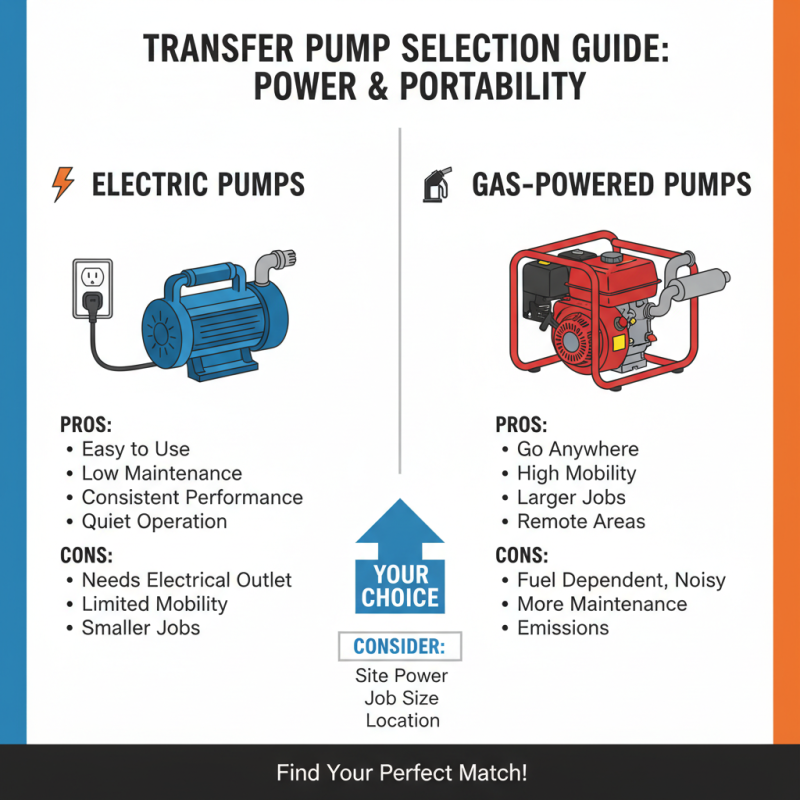
When selecting the right transfer pump, evaluating power sources is crucial. Electric pumps are often easier to use and maintain. They typically offer consistent performance for various tasks. However, consider the availability of electrical outlets. What if your project site lacks electricity? In such cases, gas-powered pumps can be a viable alternative. They provide mobility and can handle larger jobs in remote areas. Weigh the pros and cons of each type to find your perfect match.
Portability is another key factor when choosing a pump. A lightweight model is easy to transport. Look for features like straps or handles, which enhance maneuverability. However, portability shouldn’t compromise performance. Some smaller pumps may lack the power needed for intensive tasks. Think about your specific needs. Do you need something for small jobs, or are you planning larger projects? Balancing weight and power is essential. It may require careful consideration and testing to discover what truly works for you.
Maintenance Tips for Ensuring Longevity of Your Chosen Pump
Maintaining your transfer pump is crucial for its longevity. Regular maintenance ensures that it operates efficiently. Clean the pump frequently. Dirt and debris can clog the system. Inspect the filters monthly. Clogged filters can lead to pump damage. Replace them as needed to prevent performance issues.
Check the hoses and connections regularly. Look for leaks or wear. A small leak can cause major problems over time. Tighten any loose connections. Inspect the pump's motor and check for unusual noises. If you hear strange sounds, it may indicate a problem.
Lubricate moving parts to reduce friction. Use the recommended lubricant. Over-lubricating can lead to complications. Keep an eye on the pump's performance. If it struggles to operate, it may require professional assessment. Reflect on your usage patterns. Adjust maintenance habits based on how the pump is used. Regular checks can prevent unexpected breakdowns.
Essential Factors for Choosing the Right Transfer Pump