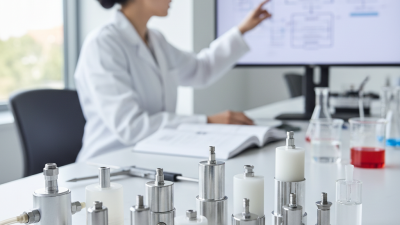
What Are Sanitary Pumps and How Do They Work?
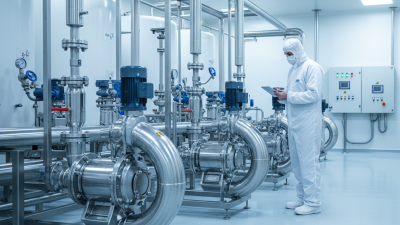
Sanitary pumps are engineered to move liquids while protecting product quality, hygiene, and process reliability. They commonly handle milk, sauces, beverages, cosmetics, and pharmaceutical fluids. Their polished surfaces, smooth internal passages, and carefully designed seals reduce areas where residue or microorganisms might remain. Cleanability is not a decorative feature. It affects safety, downtime, and operating costs.
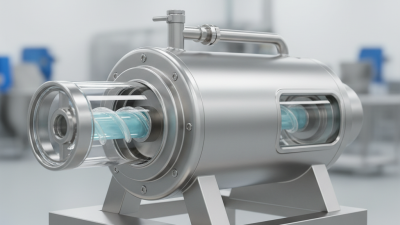
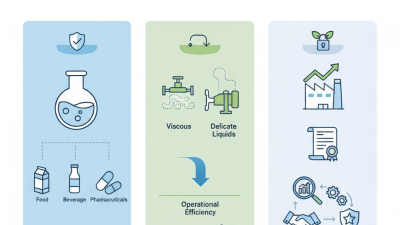
Most sanitary pumps use centrifugal or positive displacement principles. A centrifugal pump spins an impeller, creating flow through energy and pressure changes. A positive displacement pump moves a measured volume with each cycle, making it useful for thicker products or controlled dosing. In practice, viscosity, temperature, pressure, and sensitivity to shear all influence the correct choice. A pump that works well for water may damage yogurt or shear a delicate emulsion.
The working process begins at the inlet, where the product enters the pump chamber. Rotating components then transfer energy to the liquid, while seals help prevent leakage and contamination. Operators should also consider drainability, clean-in-place procedures, connection design, and maintenance access. These details often decide whether a system performs consistently after months of use.
Small details matter.
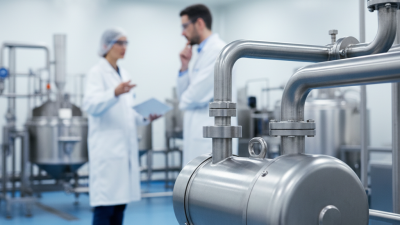
Experienced engineers verify actual flow rates instead of trusting catalog figures alone. They inspect gasket condition, listen for unusual vibration, and check whether cleaning chemicals match the equipment materials. No pump is perfect for every application. That limitation deserves attention. A reliable selection combines manufacturer documentation, site testing, hygienic design knowledge, and feedback from operators who understand the process firsthand.

What Sanitary Pumps Are and Where They Are Used
Sanitary pumps are designed to move liquids while protecting product hygiene. They are common in food, beverage, dairy, pharmaceutical, cosmetic, and biotechnology facilities. Their smooth internal surfaces reduce places where residue and microorganisms can collect. Stainless steel construction is typical, although the correct material depends on the fluid and cleaning chemicals.
These pumps handle milk, sauces, syrups, creams, sterile solutions, and other sensitive products. Centrifugal pumps suit thin liquids and steady transfer duties.
Positive displacement pumps handle thicker products, including yogurt or concentrated fillings, with better flow control. Many systems support clean-in-place cleaning, while some processes require steam sterilization.
Operators still need to check seals, valves, temperature, and pressure carefully. A clean-looking pump is not automatically hygienic.
Tips: Match the pump to viscosity, temperature, shear sensitivity, and required flow rate. Check whether the design drains fully after cleaning. Dead legs and trapped liquid can create problems. Keep maintenance records, and inspect elastomers before they harden or crack. In real facilities, small installation details often matter more than the pump nameplate. Pipe alignment, poor drainage, or excessive speed can reduce performance. I have found that cleaning instructions are sometimes treated as routine paperwork, yet they should be reviewed against actual operating conditions. A qualified technician should verify the final setup and sanitation procedure.
How a Sanitary Pump Moves and Handles Fluid
A sanitary pump moves fluid while protecting product quality and cleanability. Its wetted surfaces usually use polished stainless steel, hygienic seals, and rounded internal edges. These details reduce residue, microbial harborage, and cleaning time. The U.S. FDA Food Code, Section 4-202.11, requires food-contact surfaces to be smooth, durable, and easily cleanable. That requirement shapes pump construction.
Centrifugal pumps use a rotating impeller. The impeller adds velocity, and the casing converts much of that velocity into pressure. They suit milk, water-like beverages, and other low-viscosity liquids.
Positive displacement pumps work differently. Their rotors, lobes, or pistons trap a fixed volume, then push it forward with each cycle. This design handles yogurt, syrups, creams, and liquids containing soft particles more gently. Flow depends mainly on speed, while pressure depends on system resistance. Simple in theory.
The Hydraulic Institute notes that pump selection must consider flow, head, viscosity, temperature, and solids. A pump rated for 10,000 liters per hour may deliver far less with a thick product. Operators should also avoid excessive speed. High shear can damage texture, create foam, or warm the fluid. EHEDG hygienic-design guidance emphasizes drainability and cleanable geometry, yet real installations sometimes leave low points in piping. That is an uncomfortable design flaw. Sensors can monitor pressure, temperature, and vibration, but they cannot fix poor routing. In practice, a sanitary pump works best when the pump, valves, pipes, and cleaning cycle are designed as one fluid path.
Common Types of Sanitary Pumps and Their Applications
Sanitary pumps transfer liquids while protecting product quality and preventing contamination. Their smooth surfaces, sealed joints, and cleanable designs support strict hygiene requirements. Many systems use clean-in-place cycles, which circulate cleaning fluid through the pump without dismantling it. Some processes also require steam sterilization.
Centrifugal pumps are common for low-viscosity liquids such as milk, juice, water, and liquid flavorings. An impeller creates velocity, then converts it into pressure for steady flow. Positive displacement pumps suit thicker products, including creams, syrups, sauces, and cultured dairy products. Rotary lobe pumps move these products gently, helping reduce shear and preserve texture. Twin-screw pumps can handle changing viscosities and may combine product transfer with cleaning circulation. Diaphragm pumps work well for sensitive fluids, small batches, and applications requiring strong separation between the liquid and moving parts.
Each type has practical limits. Centrifugal pumps may struggle with thick or air-filled products. Lobe pumps can provide gentle handling, but incorrect speed may damage delicate mixtures. Operators should check flow rate, pressure, temperature, viscosity, and cleaning requirements before choosing equipment. That detail matters. In real facilities, the best selection is rarely perfect because production needs change. A pump that works for warm syrup may perform poorly with a cold, sticky batch. Regular inspection of seals, valves, and surface condition helps confirm reliable hygienic operation.
Cleaning, Maintenance, and Selection Considerations
Sanitary pumps move liquids while protecting product purity and cleanability. They usually use smooth, crevice-free designs that reduce residue buildup. Common types include centrifugal, positive-displacement, and air-operated diaphragm pumps. Selection depends on viscosity, temperature, flow rate, pressure, and shear sensitivity. A pump that works for water may damage yogurt or emulsions.
Cleaning requires more than rinsing the exterior. Operators should verify flow velocity, cleaning temperature, chemical concentration, and contact time. The FDA Food Code 2022 requires many food-contact surfaces to be cleaned at least every 24 hours, unless a documented risk-based schedule applies. EHEDG guidance commonly references stainless-steel surfaces with roughness around Ra ≤0.8 micrometres. Inspect seals, clamps, drainability, and dead legs during maintenance. Small cracks can hide soil. This is where many schedules fail. Maintenance records should include vibration, leakage, pressure, and unusual noise. A practical selection review should also check CIP compatibility, validated cleaning procedures, and spare-part availability.
Tips: Confirm the pump’s minimum flow before buying. Check whether the product contains particles. Test cleaning with the actual liquid, not only water. Use calibrated sensors, and document every deviation. A 2023 PMMI industry report identified automation and hygienic production as continuing priorities for processors. That trend is useful, but automation does not replace inspection. Human judgment still catches a damaged gasket or an overlooked drain point. Overlooking those details remains an expensive, avoidable weakness.