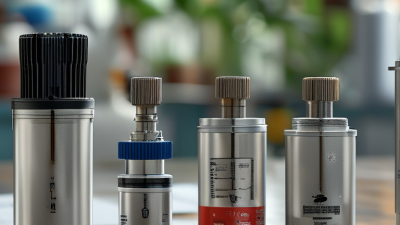
Top 10 Micro Pump Suppliers Worldwide for Global Buyers
Selecting the right micro pump supplier is a technical decision, not a simple popularity contest. These compact devices control liquids and gases inside diagnostic instruments, laboratory analyzers, drug-delivery systems, fuel cells, and industrial equipment. A pump may look small on a specification sheet, yet its flow stability can determine whether an instrument produces reliable results.
Industry data supports this expanding role. MarketsandMarkets’ Microfluidics Market report identifies diagnostics, pharmaceutical research, and point-of-care testing as major growth areas. Grand View Research also reports continued investment in microfluidic platforms, supported by miniaturized healthcare and laboratory technologies. These trends create demand for accurate, low-pulsation, energy-efficient pumps with repeatable performance. The reports do not define every micro pump category consistently. That limitation matters.
This guide reviews ten leading suppliers serving international buyers. The evaluation considers pump technology, flow-rate range, pressure capability, wetted materials, customization, quality systems, and after-sales support. Diaphragm, piston, peristaltic, gear, and piezoelectric designs can perform very differently. Fit matters. A supplier experienced in medical diagnostics may not suit chemical dosing or portable fuel-cell systems. Buyers should verify current certifications, test conditions, delivery terms, and regional service before approving a vendor. Public information is uneven, and rankings can change as product lines, ownership, and manufacturing locations evolve. Therefore, this list is a practical market comparison, not a permanent verdict. Real-world testing remains essential.
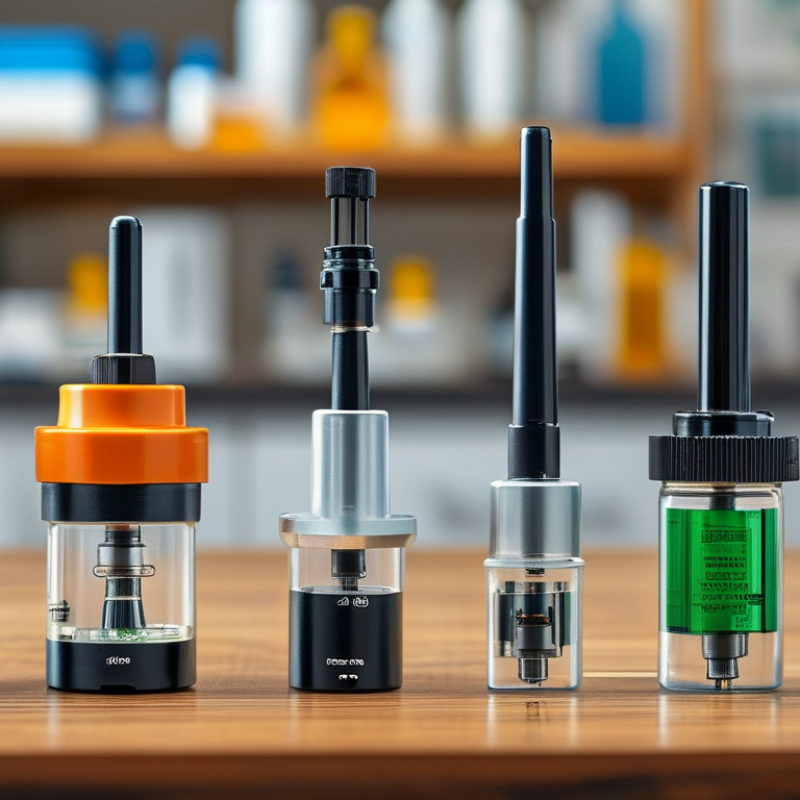
Micro Pump Basics and Key Selection Criteria
Top 10 Micro Pump Suppliers Worldwide for Global Buyers
Micro Pump Basics and Key Selection Criteria
Micro pumps move small, controlled fluid volumes through compact systems. Common designs include diaphragm, piston, peristaltic, and piezoelectric pumps. Each behaves differently under pressure, heat, and chemical exposure. A 2024 MarketsandMarkets report estimates the global micropumps market will grow steadily through 2028, driven by medical devices, laboratory automation, and portable diagnostics. However, market estimates vary between research firms. Buyers should treat forecasts as direction, not certainty.
Flow rate is only the starting point. Check pressure, priming ability, leakage, power demand, noise, and expected service life. For chemical systems, confirm wetted-material compatibility with the actual fluid, temperature, and concentration. For medical applications, review biocompatibility evidence and relevant quality controls, including ISO 10993 where applicable. The World Health Organization also emphasizes risk-based verification for critical health technologies. That principle is useful beyond hospitals.
Tips: Test real fluids, not only water. Measure performance after startup and extended operation. Ask suppliers for tolerance data, calibration methods, and failure-rate evidence. A pump rated at 100 microliters per minute may perform differently through narrow tubing or a clogged filter. Do not overlook installation orientation. We often do. Early prototypes should record pressure and flow together, because isolated flow data can hide system problems. Forecast annual volume honestly, since a low-cost unit may become expensive after maintenance, rejects, and inconsistent supply.
Global Market Overview of Micro Pump Suppliers
The global micro pump market serves medical devices, laboratory instruments, water testing systems, and compact cooling equipment. Suppliers are distributed across East Asia, Europe, North America, and emerging manufacturing centers. Each region brings different strengths, including precision machining, rapid prototyping, or strong quality documentation.
Global buyers often compare the top ten suppliers by flow rate, pressure stability, operating noise, and service life. A pump moving only a few milliliters per minute may require tighter calibration than a larger industrial unit.
Materials also matter. Fluoropolymer wetted parts can support chemical resistance, while stainless steel may suit demanding laboratory environments.
Ask for test data, not broad promises. Useful documents include pressure-flow curves, tolerance reports, and batch traceability records.
Supplier evaluation should include production capacity, sample approval time, replacement support, and communication quality. A factory may offer an attractive price but struggle with small customized orders. Another supplier may provide excellent engineering feedback but have longer lead times.
This is where many rankings become unreliable. Market visibility does not always reflect technical consistency.
Buyers should test units under real conditions, such as repeated starts, warm enclosures, or dry-running risks. Small failures can stop an entire analyzer.
I have found that clear specifications prevent more problems than impressive presentations. Yet specifications can still miss field behavior. Independent validation remains wise before full-scale purchasing.
Top 10 Micro Pump Suppliers for International Buyers
Top 10 Micro Pump Suppliers for International Buyers
International buyers need more than a low unit price when comparing the top 10 micro pump suppliers. A pump may look suitable on paper, yet fail after repeated starts, temperature changes, or exposure to cleaning fluids. Reliable suppliers provide pressure-flow curves, voltage ranges, material details, and expected service life. These documents help engineers match the pump with real operating conditions.
Check how each supplier handles export orders. Clear technical drawings reduce misunderstandings between purchasing teams and factories. Consistent packaging protects small pumps from vibration and moisture during long transport. Ask about sample availability, production lead time, minimum order quantities, and replacement parts. A responsive technical team matters, especially when the buyer works across different time zones. Slow replies can become expensive.
Testing deserves close attention. Request evidence of leak testing, noise measurement, electrical safety checks, and batch inspection. Do not rely only on polished certificates. Confirm whether the documents match the actual model and production site. In practice, specifications can change without obvious notice. That is a weakness worth considering. Buyers should also review warranty terms, traceability, and after-sales support before signing a contract. A small pilot order may reveal inconsistent flow, connector problems, or packaging damage. It costs more initially, but it can prevent larger losses.
Supplier Comparison by Technology, Applications, and Support
Choosing among the top 10 micro pump suppliers requires more than comparing prices. Buyers should examine pumping technology, flow stability, pressure limits, and fluid compatibility. Diaphragm pumps suit gas handling and gentle liquid transfer. Gear pumps provide steady dosing for oils and viscous fluids. Peristaltic designs reduce contamination risks because the fluid contacts only the tubing. Piezoelectric pumps can support compact, low-power instruments, but their output may change with temperature.
Applications reveal practical differences.
Medical analyzers often need clean materials, low pulsation, and documented validation support. Portable air samplers may prioritize battery life, low noise, and resistance to dust. Industrial dosing systems usually require continuous operation, chemical compatibility, and easy maintenance. A pump rated for laboratory use may fail in a factory environment. Ratings are not always comparable.
Support quality can decide the purchase.
Strong suppliers provide CAD files, performance curves, sample testing, and clear replacement guidance. Engineers should ask about lead times, calibration records, warranty limits, and response channels. Some suppliers offer useful application trials, although trial data may reflect ideal conditions. That deserves scrutiny. I would test the pump with the actual fluid, tubing, temperature, and duty cycle before approving volume production. One overlooked issue is service access. A compact pump may fit perfectly, yet become difficult to repair inside a sealed instrument.
How Global Buyers Can Evaluate and Select a Supplier
Selecting among the top 10 micro pump suppliers worldwide requires more than comparing unit prices. Global buyers should define flow rate, pressure, voltage, noise, operating temperature, and fluid compatibility before requesting quotations. A pump moving 50 milliliters per minute may fail when viscosity changes. Ask for performance curves, tolerance data, and test conditions.
Experience matters during supplier evaluation. Request production samples and run them through your actual fluid for several hours. Check output stability, heat buildup, vibration, and restart performance. Review material certificates, inspection records, calibration procedures, and traceability from components to finished units. A reliable supplier should explain its quality process clearly, not hide behind polished presentations. Confirm relevant safety certifications for your destination market and ask who handles technical support after shipment.
Commercial details deserve equal attention. Compare minimum order quantities, tooling fees, lead times, packaging, warranty terms, and replacement procedures. Request a written schedule with inspection points. I have seen attractive quotations become expensive after custom tooling and delayed approvals. That risk is easy to miss. A factory visit or live video audit can reveal simple issues, such as poor storage or inconsistent labeling. Still, no audit is perfect. Buyers should keep backup suppliers, document every change, and repeat validation after design revisions. Independent testing can expose performance gaps before thousands of pumps enter production.