China Top 10 Used Measurement Devices Suppliers?
China Top 10 Used Measurement Devices Suppliers? This guide examines suppliers that serve laboratories, factories, repair centers, and engineering teams worldwide. Used Measurement Devices can reduce procurement costs, but price alone cannot prove value. A low-cost analyzer with unstable readings may create expensive production errors. Real experience matters here.
Lord Kelvin, a foundational authority in measurement science, stated, “When you can measure what you are speaking about, and express it in numbers, you know something about it.” His point remains practical when comparing pre-owned equipment. Buyers should inspect calibration records, serial numbers, operating hours, firmware status, and visible wear. A scratched display is not always serious. Missing accessories can be. A damaged probe, loose connector, or outdated software may affect daily work.
This ranking considers supplier experience, technical inspection, product availability, documentation, after-sales support, and calibration traceability. It also reviews common categories, including oscilloscopes, spectrum analyzers, network analyzers, power meters, signal generators, and electronic loads. Some suppliers may appear strong because of broad inventories. Others may perform better through careful testing and responsive engineers. That difference is easy to miss online.
No supplier is perfect. Even reputable sellers can provide incomplete records or inconsistent cosmetic grading. Buyers should request test reports, clear photographs, return terms, and compatibility details before payment. The best Used Measurement Devices supplier is not necessarily the cheapest. It is the one that can explain what was tested, how it was tested, and what remains uncertain.
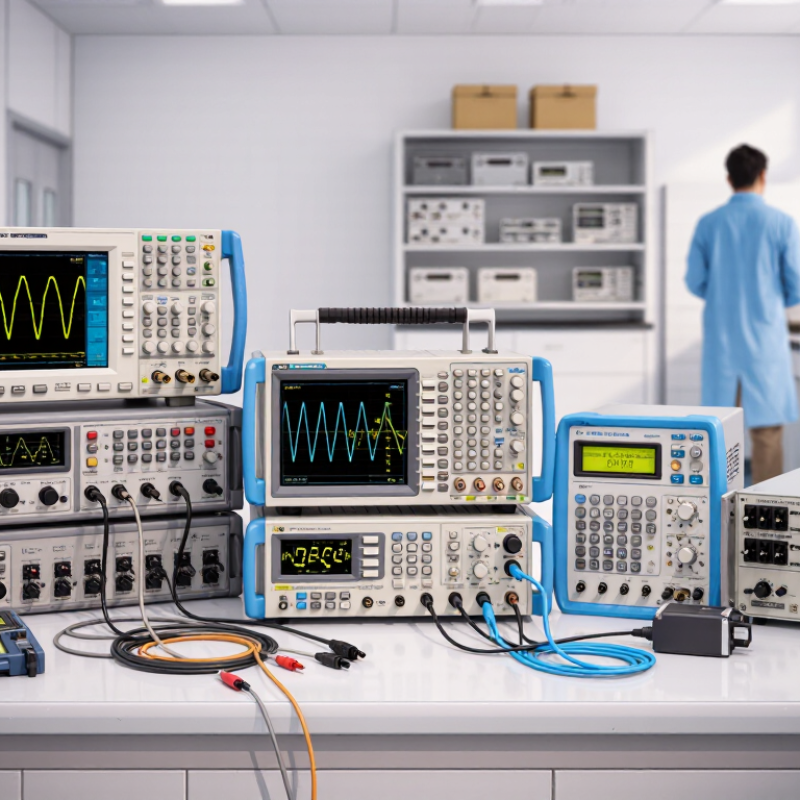
What Are Used Measurement Devices and Why Buy Them in China?
Used measurement devices are instruments that have been previously operated, tested, or stored by another owner. They may include oscilloscopes, signal analyzers, power meters, thermal cameras, and precision multimeters. Their housings can show light scratches, while their internal performance may remain accurate.
In practical sourcing, the important question is not age alone. Ask for serial records, calibration history, operating hours, and clear photos of connectors and displays. A reliable supplier should explain previous use and provide a recent calibration report from a qualified laboratory. Request a functional video when possible. It can reveal unstable readings, damaged buttons, or missing accessories.
China has a broad used-equipment market supported by electronics manufacturing, laboratory upgrades, and industrial resale channels. Buyers can often find older professional instruments at lower prices than new units. Spare parts and compatible probes may also be easier to source. Still, low cost is not proof of value. Some devices have incomplete records or outdated software. That matters.
I would compare the total cost, including shipping, calibration, accessories, and possible repairs. A cheaper unit may become expensive after arrival. Check measurement range, accuracy, safety condition, and voltage requirements before payment. Written warranty terms add practical protection. Even careful buyers make mistakes here; a clean exterior can hide years of heavy use. A second technical review is often worth the time.
China Top 10 Used Measurement Devices Suppliers: What Are Used Measurement Devices and Why Buy Them in China?
Used measurement devices are pre-owned instruments that have been inspected, calibrated, repaired, or tested for continued industrial use. The chart compares representative maximum frequency coverage commonly found in used RF and electronic measurement equipment. Actual specifications vary by model, condition, calibration status, and accessories.
Buying used equipment in China can reduce acquisition costs, shorten sourcing time, and provide access to a broad range of industrial instruments. Buyers should verify calibration certificates, operating condition, service history, firmware compatibility, and after-sales support before purchasing.
How to Evaluate China’s Used Measurement Device Suppliers
Choosing among China’s top used measurement device suppliers requires evidence, not attractive rankings. The 2024 Global E-waste Monitor reports 62 million tonnes of e-waste in 2022. Only 22.3% was formally collected and recycled. That figure makes refurbishment records important, not decorative. Ask for the serial number, manufacturing year, operating hours, repair history, and current photos. Request a power-on video showing the display, ports, controls, and self-test results. Suppliers should explain missing accessories and cosmetic damage clearly. Silence is a warning.
Calibration is the harder test. ISO/IEC 17025 principles support traceable measurement results, but a certificate alone proves little. Check the calibration date, reference standards, uncertainty, laboratory identity, and measured points. Compare those points with your application range. A device calibrated only at low voltage may not suit high-voltage work. Ask whether the certificate matches the exact serial number. Independent verification before payment adds confidence. It also adds time.
Evaluate suppliers through repeatable scoring: condition, documentation, test evidence, warranty, response speed, and total landed cost. The World Bank’s 2023 Logistics Performance Index gives China a score of 3.7, yet logistics performance does not prove device quality. Trade Map can compare export patterns by HS code, but volume remains an imperfect signal. A 90-day warranty, clear return process, and written packing standard offer practical safeguards. Do not accept vague phrases such as “like new.” Define acceptable error, battery condition, included probes, and delivery inspection steps.
China’s Top 10 Used Measurement Device Suppliers
China’s Top 10 Used Measurement Device Suppliers
China’s top ten used measurement device suppliers vary by inventory, testing ability, and export experience. Some focus on electrical testers, while others handle laboratory, optical, dimensional, or industrial equipment. A dependable supplier should provide clear model information, serial numbers, production dates, and current photographs. These details help buyers compare real condition instead of relying on polished descriptions.
I have found that careful inspection begins with the basics. Check the display, buttons, connectors, casing, and cooling vents. Ask for power-on videos and measurement results from several operating ranges. Calibration records matter, but they should show the laboratory, date, reference standard, and uncertainty when available. Traceable documentation adds confidence. It also exposes gaps.
The strongest suppliers usually offer functional testing, cleaning, packing protection, and reasonable after-sales communication. They should explain whether accessories are original, compatible, or missing. A used instrument may show scratches. That is normal. Unstable readings are not. Buyers should also confirm voltage requirements, software compatibility, replacement parts, and shipping conditions before payment. Ranking these suppliers is not completely simple, because stock changes quickly and inspection standards differ. Even experienced purchasers can overlook hidden battery damage or outdated firmware. A written inspection checklist reduces that risk. Photos alone are insufficient.
Key Products, Industries, and Services Offered by Each Supplier
China’s top used measurement device suppliers typically serve laboratories, factories, construction sites, and maintenance teams. Their inventories may include oscilloscopes, spectrum analyzers, multimeters, signal generators, calibration tools, and environmental meters. Some suppliers focus on electronics testing, while others support power systems, telecommunications, automotive production, or industrial automation.
Reliable suppliers usually provide equipment inspection, serial-number verification, operating tests, and condition reports. Many also offer calibration coordination, replacement accessories, remote troubleshooting, and export packaging. Experienced buyers should ask for test videos, measurement accuracy data, service history, and warranty terms. A clean display does not prove stable performance. I have seen older instruments outperform newer-looking units, but only after careful verification. That judgment can be imperfect.
Tips: Compare specifications, not just prices. Confirm firmware compatibility and local power requirements. Request calibration evidence before payment. Check whether probes, cables, batteries, and manuals are included. For high-frequency instruments, inspect connectors closely; small damage can affect readings. Ask about return procedures in writing. A short trial period helps, although it is not always available. Supplier experience in your industry also matters, especially when equipment supports safety testing, production control, or regulated laboratory work.
How to Compare Prices, Quality, Certifications, and After-Sales Support
China Top 10 Used Measurement Devices Suppliers: How to Compare Prices, Quality, Certifications, and After-Sales Support
Comparing used measurement device suppliers requires more than checking the lowest quotation. Request the exact model, manufacturing year, usage history, and included accessories. A low price may hide missing probes, outdated software, or expensive calibration work. Compare the total landed cost, including shipping, taxes, inspection, and replacement parts. Ask for recent photos of displays, connectors, labels, and internal condition. Small details matter.
Quality should be supported by practical evidence. Request measurement results from a functional test, not only a written inspection statement. Check accuracy, repeatability, battery health, screen condition, and communication ports. For laboratory equipment, request calibration records with traceability to an ISO/IEC 17025 accredited laboratory, where applicable. Also verify serial numbers and certification status. A certificate without matching equipment details is weak evidence. I have seen attractive offers fail during final verification. That possibility deserves attention.
After-sales support often separates reliable suppliers from temporary traders. Confirm warranty length, response time, return conditions, and repair responsibilities in writing. Ask whether replacement accessories and local technical guidance are available. A supplier that answers technical questions clearly usually understands the equipment better. However, quick replies do not guarantee strong service. Test their support with a specific troubleshooting question before payment. Keep every agreement documented.