Top 10 Benefits of UV Flatbed Printers for Global Buyers?
In the vast world of printing technology, the UV Flatbed Printer stands out for its versatility and efficiency. This innovative device can print on a variety of materials, including wood, metal, and glass. As industries seek ways to enhance their printing capabilities, understanding the benefits of UV Flatbed Printers becomes essential for global buyers.
The speed and agility of UV Flatbed Printers redefine productivity. These machines can perform intricate designs with remarkable precision. However, some users may overlook maintenance needs, potentially affecting performance. Reliable operation is crucial for any business, and routine care should not be neglected.
Additionally, UV Flatbed Printers offer eco-friendly advantages. They use UV light to cure ink, minimizing volatile organic compounds (VOCs) and ensuring safer working environments. Yet, not all manufacturers provide the same quality of ink. Buyers must choose trusted brands to ensure durability and vibrant color output. Balancing cost and quality is vital in making the right investment decision.
Advantages of UV Flatbed Printers for Various Industries
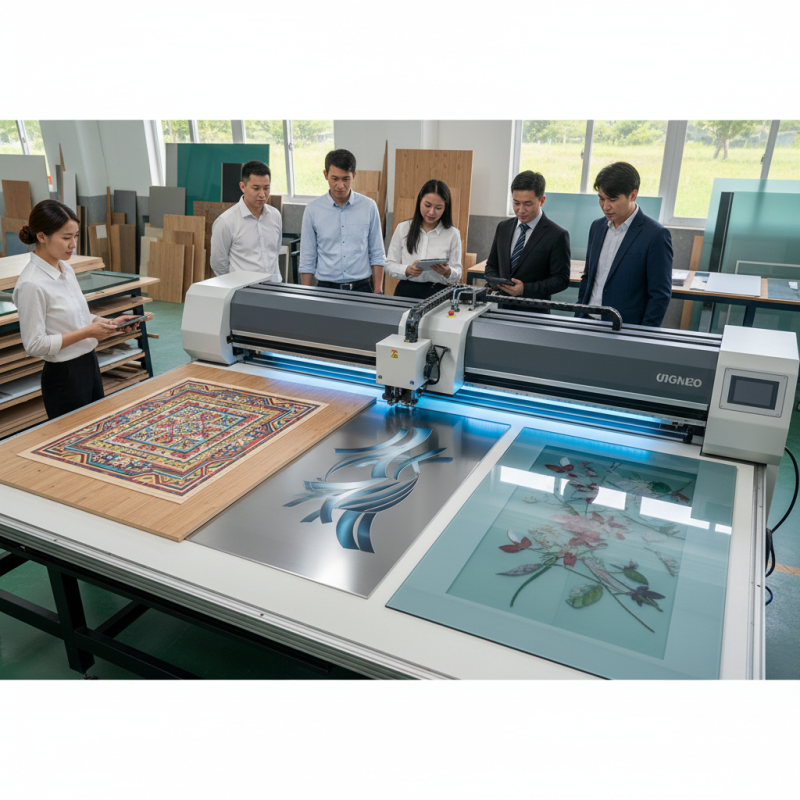
UV flatbed printers are transforming several industries by offering unique advantages. These printers can print on various materials, including glass, metal, and wood. According to a report by Smithers Pira, the UV printing market is expected to grow at a CAGR of 8.5% from 2021 to 2026. This growth underscores the technology's wide-reaching applications and its ability to meet diverse customer needs.
In the packaging sector, UV flatbed technology enhances productivity. The ability to print directly on substrates reduces setup time and waste. This efficiency is crucial, as studies have shown that 40% of printing companies face challenges in meeting tight deadlines. Furthermore, these printers offer vibrant colors and durability, making them ideal for promotional materials. A recent survey indicated that 70% of marketing professionals prioritize high-quality prints to attract customers.
Environmental sustainability is another concern. UV flatbed printers use less ink compared to traditional methods, reducing waste. However, care must be taken with UV ink disposal. Some inks can still contain hazardous materials. Companies must assess their environmental impact and choose suppliers wisely. The journey towards eco-friendly practices in printing is ongoing, and transparency about material safety is vital.
Top 10 Benefits of UV Flatbed Printers for Global Buyers
Enhanced Print Quality and Versatility in Materials
UV flatbed printers have revolutionized the printing industry by delivering enhanced print quality. These printers utilize ultraviolet light to cure ink instantly, resulting in sharp details and vibrant colors. The crispness of the prints can elevate even the most straightforward designs. This technology allows printers to maintain high fidelity, ensuring that colors are true to life. However, achieving consistent results requires careful calibration and understanding of materials.
Versatility in materials is another remarkable benefit. UV flatbed printers can print on various substrates, from wood to metal and glass. This adaptability opens the door to creative opportunities. Yet, not all materials behave the same way under UV printing. Some surfaces may require pre-treatments to ensure proper adherence of the ink. Understanding the specific needs of different substrates is crucial for optimal outcomes. A learning curve exists, and experimentation may lead to unexpected challenges, but the rewards can be significant.
Top 10 Benefits of UV Flatbed Printers for Global Buyers
| Benefit | Description | Impact on Buyers |
| Enhanced Print Quality | UV flatbed printers offer superior resolution and detail with vibrant colors. | Attracts customers with professional-grade outputs. |
| Versatility in Materials | Can print on a wide range of surfaces including wood, glass, metal, and plastic. | Enables diversification of product offerings. |
| Fast Production Speed | Quick printing processes lead to shorter turnaround times. | Improves operational efficiency and customer satisfaction. |
| Eco-Friendly Inks | Use of UV inks reduces harmful emissions and is safer for the environment. | Appeals to environmentally-conscious consumers. |
| Durability of Prints | UV prints are resistant to scratches, water, and fading. | Higher customer satisfaction with longevity of products. |
| Lower Production Costs | Efficient ink usage and reduced setup times lower overall costs. | Increases profitability for businesses. |
| Continuous Print Capability | Ideal for both short runs and large production volumes without loss of quality. | Versatility in handling orders of varying sizes. |
| Customization Options | Easily allows for custom designs and branding on various products. | Increases market competitiveness through personalized offerings. |
| User-Friendly Operation | Modern interfaces and controls make operation simple. | Reduces the learning curve for new operators. |
| Compact Design | Space-saving designs are available, suitable for small businesses. | Enhances workplace flexibility and organization. |
Cost-Efficiency and Increased Production Speed
UV flatbed printers are revolutionizing the printing industry, particularly regarding cost-efficiency and production speed. According to a recent study by Smithers Pira, UV printing can reduce production times by up to 30%. This advantage comes from faster curing times and the ability to print directly on various substrates without pre-treatment. Thus, businesses can respond quickly to customer demands and finish projects ahead of schedule.
Cost savings are another critical benefit with UV technology. Since these printers minimize waste by enabling precise ink placement, users often report around 20% lower ink costs. This efficiency allows businesses to allocate resources wisely. The initial investment might seem daunting, but the long-term savings are significant. In fact, a study found that UV printers can achieve ROI in as little as six months.
Tip: To maximize your UV printer's potential, conduct regular maintenance checks. A well-maintained machine operates more efficiently and can extend its lifespan.
Another consideration is the broader market. As more companies adopt UV printing, staying competitive requires continuous innovation. Being aware of trends and changes in technology is crucial.
Tip: Keep an eye on emerging substrates. New materials can open up exciting possibilities for unique applications.
Eco-Friendly Aspects of UV Printing Technology
UV printing technology offers eco-friendly advantages that appeal to global buyers. One key aspect is its use of UV light to cure ink, eliminating solvents and harmful chemicals. This reduces volatile organic compounds (VOCs), which can contribute to air pollution. The eco-conscious buyer values a process with lower emissions and a smaller environmental footprint.
Additionally, UV flatbed printers often use less ink than traditional methods. This efficient use helps minimize waste. The inks are also less toxic, making them safer for various applications. This is particularly important for businesses looking to produce sustainable products. Moreover, UV printing provides versatility, allowing for printing on diverse materials. This leads to less material waste during production, reinforcing its eco-friendly credentials.
While these advantages are significant, there are challenges to consider. The initial investment for UV technology can be higher than conventional options. Buyers must weigh long-term benefits against short-term costs. This decision-making process requires careful reflection and analysis. Striking a balance between sustainability and economic viability remains a critical consideration for businesses navigating the evolving landscape of printing technologies.
Application Range: From Signage to Specialty Items
UV flatbed printers are revolutionizing the printing industry. Their versatility allows for applications ranging from signage to specialty items. According to a 2022 industry report, the global flatbed printer market is projected to grow by over 6% annually through 2027. This growth highlights the increasing demand across various sectors.
Signage is a major application area. UV printers create vivid, high-quality graphics that attract attention. They are perfect for both indoor and outdoor signs. The durability of UV inks helps resist fading and weather damage. Specialty items such as promotional merchandise and branded products are also seeing significant use of UV technology. Custom printing on unique surfaces allows businesses to differentiate themselves in a competitive market.
Despite the advancements, challenges remain. The initial cost of UV flatbed printers can be high. Additionally, the learning curve for new users can impede productivity. Companies must weigh these factors against the benefits. In the long run, businesses investing in UV technology can enhance their product offerings. Increased versatility and improved quality can lead to higher customer satisfaction.