Top 10 Types of Hydraulic Pumps You Should Know About?
Hydraulic pumps play a vital role in various industries, powering machinery from construction equipment to manufacturing processes. According to a recent report by MarketsandMarkets, the hydraulic pump market is projected to reach $19.8 billion by 2026, driven by increasing demand for efficient fluid power systems. This growth highlights the importance of understanding different types of hydraulic pumps and their applications.
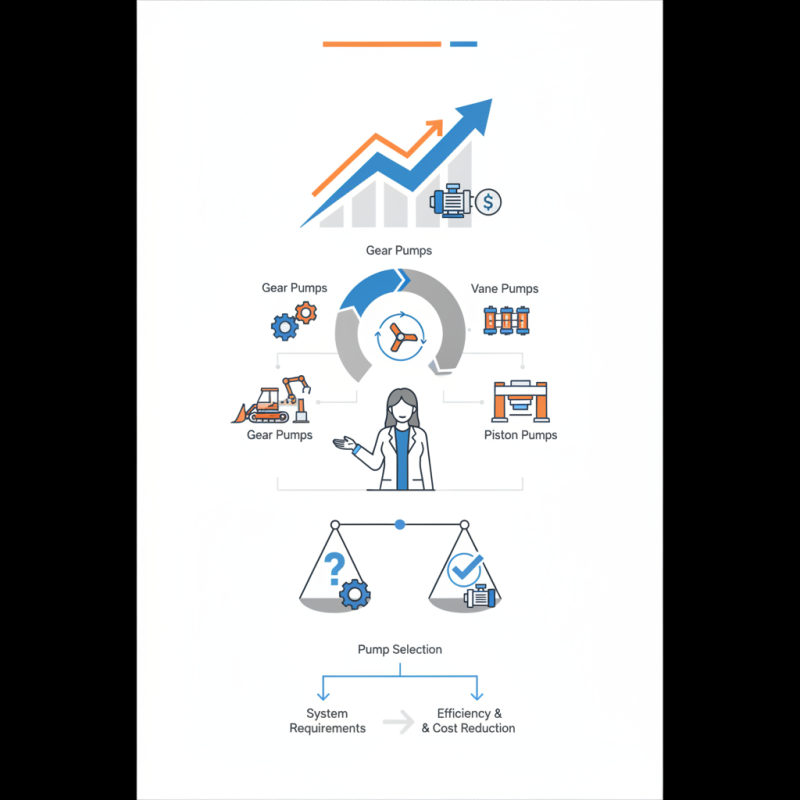
Expert in hydraulic systems, Dr. Sarah Jennings, emphasizes the significance of choosing the right hydraulic pump. She states, "Selecting the right pump can enhance efficiency and reduce operational costs." There are multiple types of hydraulic pumps that cater to diverse operational needs. Gear pumps, vane pumps, and piston pumps each have unique characteristics that make them suitable for specific applications.
However, while exploring these types, one must recognize the complexities involved. Not every hydraulic pump will meet the needs of every system. Miscalculations can lead to inefficiencies and costly downtime. It’s essential to approach the selection process thoughtfully, ensuring a thorough understanding of system requirements and potential limitations.
Overview of Hydraulic Pump Types and Their Applications
Hydraulic pumps play a crucial role in various industries. They convert mechanical energy into hydraulic energy. Understanding different types of hydraulic pumps is essential for optimal application. Each pump type has unique features tailored for specific needs.
Gear pumps are simple and reliable. They are widely used in agriculture and construction. According to a recent industry report, the demand for gear pumps is increasing by approximately 5% annually. Piston pumps, on the other hand, excel in high-pressure environments. These are perfect for mobile applications, often found in heavy machinery.
Tip: When selecting a pump, consider the operating environment. An unsuitable pump can lead to inefficiencies and failures. Further, vane pumps offer an excellent balance between performance and cost. However, they may not be the best choice for highly viscous fluids.
Hydraulic pumps are crucial in automation and robotics, too. Their efficiency can make or break a project. A custom hydraulic system can enhance performance but can be challenging to design. It's vital to assess if the benefits outweigh the potential complications.
Top 10 Types of Hydraulic Pumps You Should Know About
| Pump Type |
Description |
Applications |
| Gear Pump |
Uses gears to pump hydraulic fluid. |
Construction machines, automotive applications. |
| Piston Pump |
Utilizes pistons to move fluid. |
Oil drilling, high-pressure applications. |
| Vane Pump |
Employs vanes that slide in and out of a rotor. |
Aerospace, automotive, and industrial applications. |
| Screw Pump |
Uses screws to move fluids, providing steady and continuous flow. |
Marine applications, oil extraction. |
| Diaphragm Pump |
Employs a diaphragm to pump fluids. |
Chemical transfer, food processing. |
| Axial Piston Pump |
Has pistons arranged in a circular array around a central shaft. |
Hydraulic systems in machinery. |
| Radial Piston Pump |
Pistons are arranged radially around the pump shaft. |
Mining, material handling equipment. |
| Rotary Vane Pump |
Utilizes sliding vanes on a rotor. |
Automotive, light industrial applications. |
| Electric Pump |
Driven by electric motors, often for fluid transfer. |
Various automated systems, robotics. |
| Hand Pump |
Manually operated pumps for low-flow applications. |
Maintenance tasks, portable systems. |
Comparison of Gear Pumps and Their Efficiency in Hydraulic Systems
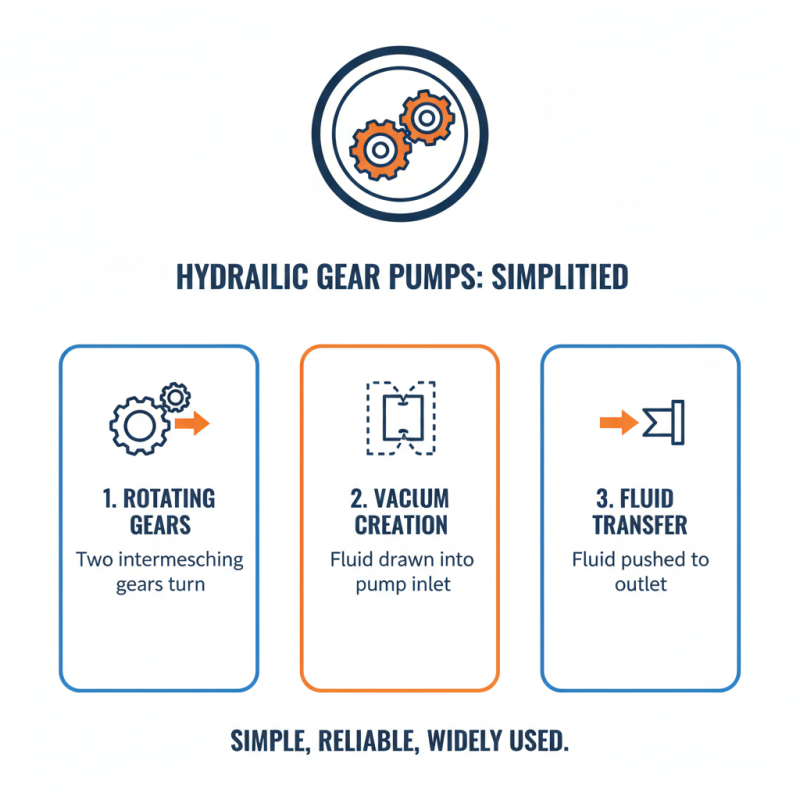
When discussing hydraulic systems, gear pumps often come to the forefront. They are widely used for their simplicity and reliability. These pumps work by using two or more gears that rotate to transfer hydraulic fluid. This process creates a vacuum that draws fluid into the pump.
One of the key benefits of gear pumps is their efficiency. They can handle high pressures and a variety of fluids. However, they aren’t without flaws. Over time, wear and tear can reduce their performance. Regular maintenance is crucial to ensure that they operate well.
In terms of efficiency, gear pumps generally have a high volumetric efficiency. But the inner clearances can affect this. If the clearances are too wide, the pump loses efficiency. Conversely, if they are too tight, it can lead to increased wear. Balancing these factors is important for optimal performance. Understanding these nuances can help users better manage their hydraulic systems.
Working Principles of Piston Pumps: Advantages and Limitations
Piston pumps are a vital component in hydraulic systems. They work by using a reciprocating piston to pressurize hydraulic fluid. This action creates a strong fluid flow, which is essential in various applications. Their ability to generate high pressure makes them favorable for heavy-duty tasks.
One advantage of piston pumps is their efficiency, especially under high-pressure conditions. They deliver a consistent flow rate. However, they can be complex and expensive to maintain. Seals and pistons can wear out over time, leading to performance issues. Regular maintenance is crucial, yet it often gets overlooked.
Another point to consider is the noise. Piston pumps can be inherently noisy during operation. This aspect can be bothersome in quiet environments. Users may need to invest in soundproofing measures. Despite their advantages, the higher noise level and maintenance demands warrant careful evaluation. It's important to weigh these factors when choosing a hydraulic pump for specific needs.
Understanding Vane Pumps and Their Role in Fluid Power Systems
Vane pumps are essential components in fluid power systems. They operate on the principle of moving fluid through a series of vanes. These vanes slide in and out of a rotor, creating suction and discharge phases. The design allows for a smooth pressure output, making them ideal for various applications.
In hydraulic systems, vane pumps provide efficiency and reliability. They are widely used in industrial machinery, mobile equipment, and aerospace applications. However, their performance is highly dependent on the oil viscosity and temperature. If the oil is too thick, the pump may struggle. Additionally, wear and tear on the vanes can lead to reduced efficiency over time. Regular maintenance becomes essential to ensure optimal performance.
Despite their advantages, vane pumps have limitations. They can be sensitive to contaminants in the fluid. These contaminants can cause significant damage and affect functionality. Understanding these challenges is crucial for operators. Proper filtration and regular system checks can help mitigate risks. Awareness of these factors allows for improved longevity and efficiency of the pump in the system.
Factors to Consider When Choosing a Hydraulic Pump for Your Project
When selecting a hydraulic pump, several key factors come into play. First, consider the flow rate required for your application. Different tasks demand varying amounts of hydraulic fluid movement. Understanding your project’s specific needs is vital.
Next, think about the pressure ratings. Each hydraulic pump has limits. Exceeding these limits can lead to failures or inefficiencies. Also, assess the environment where the pump will operate. Temperature fluctuations can affect performance.
Tips: Make sure to evaluate the compatibility of the pump with other system components. Mismatched parts can cause serious issues. Always check the materials used in pump construction, especially in corrosive environments. Don’t overlook maintenance requirements. Some pumps require frequent checks, while others are more forgiving.
Lastly, budget constraints are important. Higher-priced pumps often mean better efficiency and longevity but weigh the initial cost against potential long-term savings. Adjustments during the selection process may be necessary to match both project needs and budget limitations.