
Cross-border shopping is expanding, but delivery promises often hide complex responsibilities. The U.S. Census Bureau reported approximately $1.19 trillion in U.S. retail e-commerce sales during 2024. That scale makes clear import planning matters. US DDU Logistics offers one common framework for managing international shipments into the United States.
DDU means Delivered Duty Unpaid. Under this arrangement, the seller usually organizes transportation to the agreed destination, while the buyer handles import clearance, duties, taxes, and related charges. The term is widely used in commercial conversations, although the ICC Incoterms 2020 rules replaced DDU with the more precise Delivered at Place, or DAP, term. This distinction matters. A shipping quote may show freight costs clearly, yet exclude customs expenses.
Consider a $60 parcel containing household goods. The seller may book pickup in Shenzhen, provide tracking, and deliver the package to a U.S. address. The buyer may still need to respond to a customs request, pay assessed charges, or appoint a broker. Small details matter.
The process is not frictionless. U.S. Customs and Border Protection emphasizes accurate descriptions, value declarations, and admissibility requirements. DHL’s international shipping guidance similarly highlights documentation, classification, and duties as key delivery factors. These sources support a practical lesson: US DDU Logistics works best when responsibilities are written before payment.
The model is useful, but imperfect. Delivery estimates can shift. Fees can surprise buyers. This guide explains each step, cost, and risk in plain terms, helping businesses choose clearer shipping arrangements.
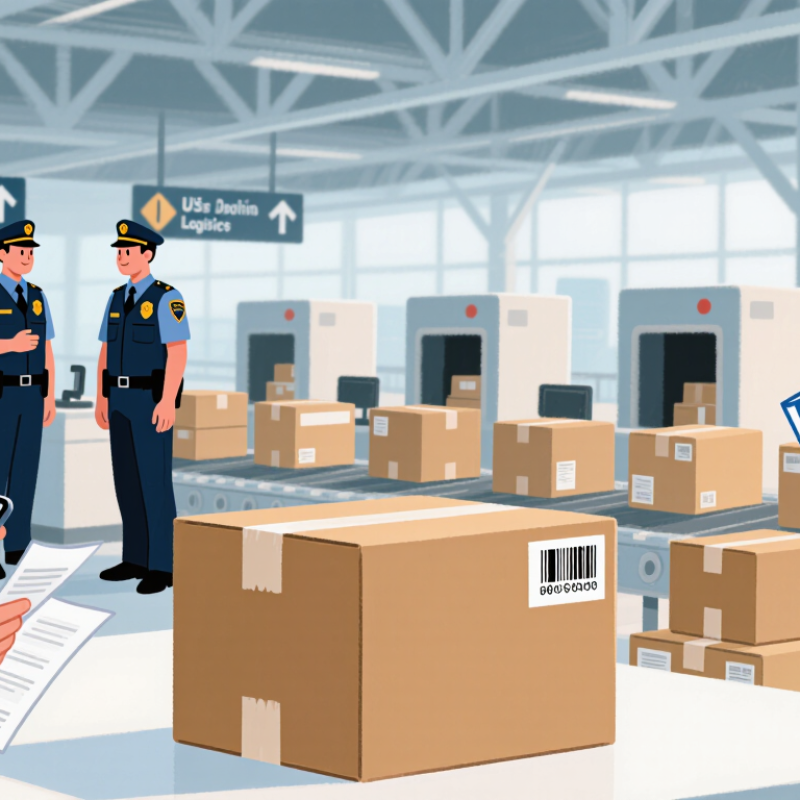
DDU, or Delivered Duty Unpaid, is an older shipping term that many teams still use informally. Incoterms 2010 removed DDU and introduced DAP, Delivered at Place. The seller transports goods to a named destination. The buyer manages import clearance, duties, and taxes. The seller does not unload the cargo. That detail matters at a busy warehouse entrance.
DAP is not DDP. Under DDP, the seller also handles import formalities and charges, where legally permitted. Under DAP, responsibility changes at the destination before unloading. A purchase order should name the exact place, such as “Dock 4, Rotterdam distribution center,” rather than simply “country.” This reduces arguments over inland delivery, unloading, and handover evidence. The World Bank’s 2023 Logistics Performance Index used responses from 4,090 trade professionals across 139 economies. Its findings show major differences in customs, infrastructure, and shipment reliability. DAP needs local planning, not copied wording.
UNCTAD reported that maritime trade grew 2.4% in 2023, despite disruptions and rerouting. More cross-border movement creates more opportunities for DDU-style wording to fail. A broker may ask who supplies documents. A terminal may ask who pays storage. The answer belongs in the sales contract. One weakness remains: DAP does not solve every tax-registration problem. Local requirements need confirmation before quoting freight. A cheaper-looking DAP price can become expensive when clearance data arrives late. I would treat DDU as a warning label, not a current rule.
Under DDU, or Delivered Duty Unpaid, the seller transports goods to an agreed destination in the United States. The seller usually handles export clearance, international freight, and delivery to the named location. The buyer pays import duties, customs taxes, brokerage charges, and other destination fees. DDU is an older trade term, often used informally today. Modern contracts commonly use DAP instead, so the written agreement matters more than the label.
Delivery risk also needs careful attention. Under traditional DDU terms, the seller generally carries transit risk until the goods reach the named destination and are ready for unloading. The buyer normally assumes risk after that point. If cartons arrive crushed, photographs, delivery records, and a prompt carrier report can support a claim. Yet contracts sometimes change this allocation. I have seen parties use “DDU” casually while expecting different responsibilities. That is not a minor wording issue. Define the exact place, unloading duty, insurance arrangement, and customs payer before shipment.
US DDU logistics means the seller arranges transport to the United States, while the buyer may handle import charges. DDU is an older trade term, often used informally for shipments similar to Delivered at Place. The seller usually pays transportation costs up to the agreed destination. The buyer may still pay customs duties, taxes, brokerage fees, or local delivery charges.
For many low-value parcels, the $800 Section 321 de minimis rule can simplify customs entry. A shipment may qualify when its fair retail value is $800 or less per person, per day. It must also meet eligibility requirements and contain lawful, properly declared merchandise. Customs data should match the invoice, packing list, product description, quantity, and country of origin. A parcel marked “gift” or assigned an unrealistically low value can create delays and compliance concerns.
The process begins when the seller or logistics provider collects shipment details electronically. The carrier submits entry information before arrival or at arrival, depending on the shipment method. Customs may release the package without duty when Section 321 applies. However, the rule is not automatic. Certain goods, repeated shipments, restricted categories, or incomplete records may require additional review or a formal entry. Costs can still appear after delivery. This is the part many buyers overlook. Rules and enforcement practices can change, so experienced import teams verify current guidance before shipping. Even a small description error can hold a carton at the border.
What Is US DDU Logistics and How Does It Work?
Shipment Flow: From Seller Dispatch to Carrier Delivery and Import Release
US DDU logistics means the seller arranges transport to the United States, but the buyer handles import duties and taxes. In current trade language, this structure often resembles Delivered at Place, or DAP. The seller should confirm this responsibility before accepting an order. Otherwise, delivery expectations can become unclear.
The process begins when the seller dispatches the shipment with a commercial invoice, packing list, and accurate product details. The origin carrier collects the parcel and transfers it through export handling. Tracking data then records departure, transit, and arrival at a US gateway. Small errors matter. An incomplete address may delay the entire shipment.
After arrival, the shipment enters import review. The buyer or appointed customs representative provides required information and pays applicable duties, taxes, or processing charges. Customs authorities may request clarification about value, materials, or intended use. The carrier cannot complete import release without the necessary response. This stage is often misunderstood.
Once released, the shipment moves to domestic delivery. A local carrier receives the parcel and attempts delivery to the buyer’s address. If the buyer does not pay import charges, the shipment may be held, returned, or handled under the carrier’s procedures. Delivery estimates are useful, but they are not promises. In practice, weather, inspections, and incomplete paperwork can change the timeline. Reliable DDU management depends on clear invoices, realistic tracking updates, and early communication with the buyer.
Typical shipment flow from seller dispatch to carrier delivery and import release
DDU is a commonly used legacy term for shipments where the seller arranges transport to the destination, while the buyer is responsible for import clearance, duties, and taxes. The timeline below shows a typical planning estimate in business days; actual timing varies by origin, destination, transport mode, customs documentation, and inspections.
What Is US DDU Logistics and How Does It Work?
US DDU logistics means Delivered Duty Unpaid. The seller arranges transport to the United States, while the buyer handles import duties, taxes, and customs charges. The parcel may arrive at the buyer’s door, but delivery is not always the final financial step. Additional fees can appear before release.
The scale is substantial. U.S. Customs and Border Protection reported 1.36 billion de minimis shipments in fiscal year 2024. Under Section 321, many shipments valued at $800 or less may enter with duty and tax relief, subject to eligibility rules. De minimis is not a blanket exemption. Accurate product descriptions, declared values, country-of-origin details, and tariff classifications still matter. One missing data field can delay a package.
This volume changes operational expectations. A warehouse may process thousands of small parcels daily, with each parcel requiring consistent electronic data. The U.S. International Trade Commission has repeatedly highlighted the growth of low-value cross-border e-commerce and its effects on customs administration. DDU can reduce the seller’s upfront landed-cost burden, but it transfers uncertainty to the buyer. That uncertainty is often underestimated.
The model looks simple on a rate sheet.
In practice, experienced operators check who acts as importer of record, who pays clearance fees, and how returns are handled. Compliance teams should also review shipment records regularly. A fast delivery promise means little if customs data is incomplete.
| Dimension | Verified Data or Rule | How It Works in Practice | Compliance Relevance |
|---|---|---|---|
| DDU Meaning | DDU means “Delivered Duty Unpaid.” It is a legacy delivery term in which the seller delivers the goods to the agreed destination without paying import duties and taxes. | The buyer or importer normally pays import duties, taxes, customs-related charges, and any applicable final-mile fees. | The contract should clearly identify who is responsible for customs entry, payment, documentation, and delivery delays. |
| Current Trade-Term Context | DDU was replaced by DAP, “Delivered at Place,” in the 2010 revision of the international commercial terms published by the International Chamber of Commerce. | Many logistics providers still use “DDU” informally, but commercial documents should use the agreed contractual term and specify the named place of delivery. | Using an outdated or ambiguous term can create disputes over duty liability, tax payment, customs clearance, and risk transfer. |
| U.S. De Minimis Threshold | For qualifying shipments entering the United States under Section 321, the statutory value threshold is generally USD 800 per person per day, subject to applicable legal conditions and exceptions. | Eligible low-value shipments may receive streamlined entry treatment and may enter without ordinary customs duties, although other restrictions and requirements can still apply. | Eligibility depends on the shipment value, importer, merchandise type, entry data, and current U.S. regulations. |
| FY2024 Shipment Scale | Approximately 1.36 billion de minimis shipments were reported for U.S. fiscal year 2024. | The volume represents approximately 3.7 million de minimis shipments per day when averaged across a 366-day fiscal year period. | High volume increases the importance of accurate electronic data, automated screening, recordkeeping, and risk-based enforcement. |
| Fiscal Year Reference | U.S. fiscal year 2024 covered October 1, 2023 through September 30, 2024. | The reported shipment total is a fiscal-year figure rather than a calendar-year figure. | Reports and internal performance comparisons should use the same time basis to avoid misleading year-over-year conclusions. |
| Typical DDU Shipment Flow | Order placement → export documentation → international transport → U.S. customs data submission → customs review or release → duty and tax collection if applicable → final delivery. | The seller or logistics intermediary prepares shipment data, while the buyer may be contacted for payment or additional information before delivery. | Incomplete descriptions, incorrect values, or missing consignee information may lead to delays, holds, rejection, or penalties. |
| Information Commonly Required | Typical data includes seller and buyer details, accurate product description, quantity, transaction value, country of origin, harmonized tariff classification, and transport information. | Data is transmitted electronically before or during the import process, depending on the transport method and applicable entry procedure. | Consistent data across the commercial invoice, parcel record, customs filing, and payment record supports faster clearance and auditability. |
| Duties and Taxes | A shipment that does not qualify for de minimis treatment may be subject to customs duty, applicable federal taxes, fees, and other import charges. | Under a DDU-style arrangement, the buyer is generally responsible for charges not included in the seller’s quoted delivery price. | The final amount depends on classification, customs value, origin, product-specific rules, and the applicable entry method. |
| Restricted and Regulated Goods | De minimis treatment does not automatically remove requirements imposed by other U.S. laws or regulatory agencies. | Products such as food, medicines, cosmetics, batteries, plant materials, and other controlled goods may require additional declarations, permits, or review. | Low value is not a substitute for product safety, import licensing, sanctions screening, labeling, or other regulatory compliance. |
| Primary Operational Risk | The buyer may face unexpected payment requests, customs delays, return costs, or delivery failure when import obligations are not explained before purchase. | A transparent landed-cost estimate and a clearly assigned customs-responsibility model reduce customer disputes and abandoned shipments. | Written terms should cover payment timing, importer-of-record responsibility, rejected shipments, refunds, and storage or return charges. |
| Recommended Control | Use automated data validation, product classification checks, restricted-goods screening, value verification, and shipment-level audit records. | Review exceptions before dispatch and maintain a documented process for customs queries, payment collection, delivery exceptions, and returns. | Controls should be updated when U.S. customs rules, tariff measures, entry requirements, or de minimis eligibility criteria change. |
| Data note: The 1.36 billion figure refers to de minimis shipments reported for U.S. fiscal year 2024. De minimis eligibility, duties, taxes, product restrictions, and entry procedures are subject to applicable U.S. laws and regulatory updates. DDU is presented as a legacy logistics term; modern contracts should define the named delivery place and each party’s import responsibilities explicitly. | |||
