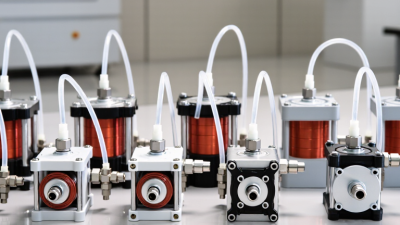
Choosing the right solenoid pump is rarely a simple matter of comparing flow rates and prices. Global buyers face different fluids, voltages, temperatures, duty cycles, and service conditions. A pump that performs quietly in a laboratory may struggle with thick chemicals, dusty workshops, or unstable power supplies.
Heinz P. Bloch, a recognized machinery-reliability authority, states, “Reliability begins with selecting equipment for the actual duty, not the catalog headline.” This principle fits solenoid pump purchasing closely. Buyers should examine wetted materials, diaphragm life, pressure stability, self-priming capability, noise, and replacement-part availability. Certification requirements also matter, especially when equipment enters food, medical, water-treatment, or industrial applications.
This guide reviews seven solenoid pump options for international buyers. Each selection considers practical performance, operating flexibility, maintenance needs, and supplier support. The ranking is useful, but not absolute. That limitation matters. A compact pump may win on portability yet lose on continuous operation. A lower-priced model may appear attractive until seals, shipping, and downtime increase ownership costs.
Real-world selection requires careful questions. What liquid will the pump handle? How often will it run? Can local technicians service it? These details are easy to overlook. They should not be. Product data must be confirmed with manufacturers before purchase, because specifications and regional approvals can change. A thoughtful buyer compares the catalog, the application, and the reality of the installation.
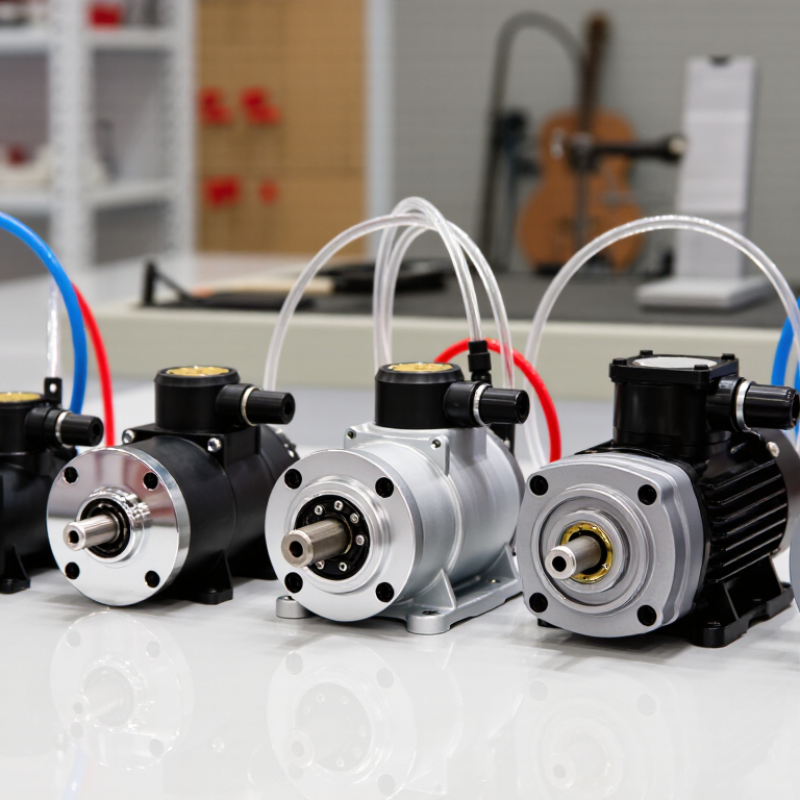
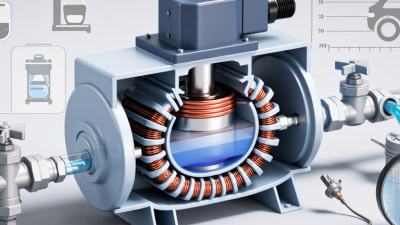
A solenoid pump uses electromagnetic force to move liquid in small, controlled doses. Inside the pump, an energized coil pulls a metal plunger forward. When power stops, a spring returns the plunger. Inlet and outlet check valves guide the liquid through separate paths. This repeated motion creates pulsed flow rather than a smooth stream.
The operating cycle is quick but not silent. You may hear a soft click during each stroke. Flow depends on stroke length, pulse frequency, fluid thickness, and inlet pressure. A practical inspection should check the tubing, valve seats, electrical connections, and liquid temperature. Even a small air leak can reduce delivery accuracy. I have found that pump ratings can look impressive, yet real output may drop under back pressure.
Solenoid pumps suit dosing, spraying, cooling, and compact water systems. They are useful when a controller needs repeatable on-and-off delivery. However, they are not ideal for every fluid or continuous high-volume duty. Abrasive particles can damage valves, while excessive heat can weaken internal seals. Confirm voltage, flow rate, pressure, wetted materials, and duty cycle before selection. Do not trust flow figures alone. Test the pump with the actual tubing and liquid whenever possible. A short trial often reveals vibration, delayed priming, or uneven pulses that a specification sheet misses.
When comparing seven solenoid pumps for global purchasing, start with the operating point, not the catalog headline. Record required flow in liters per minute and discharge pressure in bar. A pump rated at 1.5 L/min may deliver much less through narrow tubing. Test it at your real duty cycle. Short bursts can hide heating problems. Check voltage options, current draw, and tolerance, especially where supply quality varies. A 12 V model can behave differently at 10.5 V.
Fluid compatibility needs more than a generic “chemical resistant” label. Compare wetted materials, seal composition, viscosity range, and permitted temperature. Water, mild detergent, and solvent-like fluids stress components differently. Ask for pressure-decay data and expected service life. Do not accept life claims without test conditions. This matters. Also inspect priming height, dry-run tolerance, and inlet restrictions. I have seen small inlet filters cut output sharply, although the pump itself appeared correctly sized. Noise and vibration deserve measurement, not guesswork; record decibels at a fixed distance and mounting position.
For global buyers, compare electrical approvals, ingress protection, traceability, and documentation in the destination market. Verify connector styles, cable lengths, spare valve kits, and replacement lead times before volume orders. A low purchase price may become expensive when one seal delays production. Ask whether each unit is tested individually, and request inspection records. Packaging should protect fittings from impact and moisture during long shipments. Be careful with “best” rankings. A regional service issue may be missed, so pilot samples under actual conditions remain essential. Keep the test log.
| Pump | Pump Type | Rated Voltage | Flow Range | Maximum Pressure | Self-Priming | Wetted Materials | Fluid Compatibility | Typical Duty Cycle | Port Size | Typical Applications |
|---|---|---|---|---|---|---|---|---|---|---|
| Pump 1 | Diaphragm solenoid pump | 12 V DC / 24 V DC | 0.1–1.5 L/min | 1.5–3.0 bar | Up to 1 m | EPDM or FKM diaphragm; PP or POM housing | Water, dilute detergents, low-viscosity chemicals | Intermittent | 6–8 mm hose barb | Water dispensing, analyzers, compact dosing systems |
| Pump 2 | Piston solenoid dosing pump | 12 V DC / 24 V DC | 5–120 mL/min | 3–6 bar | Usually not specified | PTFE, FKM, stainless steel, or ceramic | Clean liquids and metering chemicals compatible with seals | Intermittent or low-frequency continuous operation | 1/8–1/4 in. compression or barb | Precision dosing, calibration equipment, laboratory instruments |
| Pump 3 | Vacuum-and-pressure diaphragm pump | 12 V DC / 24 V DC | 0.5–4.0 L/min | 0.8–2.5 bar pressure; −40 to −70 kPa vacuum | Up to 2 m | EPDM, silicone, or FKM; reinforced polymer housing | Air, water, condensate, and mild process fluids | Intermittent; continuous use requires thermal verification | 6–10 mm hose barb | Air sampling, condensate removal, pneumatic controls |
| Pump 4 | High-temperature diaphragm pump | 24 V DC | 0.2–2.0 L/min | 1–3 bar | Up to 1 m | PTFE or FKM diaphragm; PPS or stainless-steel wetted parts | Hot water, vapor condensate, selected solvents | Intermittent to moderate continuous duty | 1/4 in. hose barb or threaded port | Thermal analyzers, sterilization systems, heated sampling lines |
| Pump 5 | Chemical-resistant solenoid pump | 12 V DC / 24 V DC | 10–250 mL/min | 1–4 bar | Application-dependent | PTFE, FKM, PVDF, or polypropylene | Acidic or alkaline solutions after compatibility review | Intermittent dosing | 1/8–1/4 in. chemical tubing | Water treatment, pH adjustment, reagent dispensing |
| Pump 6 | Low-noise micro solenoid pump | 5 V DC / 12 V DC | 10–500 mL/min | 0.3–1.5 bar | Short lift, typically below 0.5 m | Silicone, EPDM, or FKM; engineering polymer body | Water and non-abrasive, low-viscosity liquids | Short intermittent cycles | 2–6 mm hose barb | Portable devices, beverage equipment, consumer appliances |
| Pump 7 | Food- and medical-grade diaphragm pump | 12 V DC / 24 V DC | 0.1–2.5 L/min | 1–3 bar | Up to 1 m | FDA-compliant silicone, EPDM, or PTFE where specified | Water, air, nutritional liquids, and validated process fluids | Intermittent or controlled continuous duty | 6–10 mm sanitary hose barb | Medical equipment, beverage dispensers, laboratory systems |
Solenoid pumps vary widely, and the best choice depends on fluid behavior, pressure, and dosing accuracy. A plunger solenoid pump suits clean liquids requiring steady metering. A diaphragm solenoid pump handles mild chemicals and reduces contact between the fluid and moving parts. For delicate fluids, a bellows pump offers gentle movement and limited contamination risk. A piston solenoid pump delivers stronger pressure for compact transfer systems. A pinch-type pump works well with fluids that must remain inside disposable tubing. Miniature liquid pumps fit portable analyzers, printers, and small cooling circuits. Gas solenoid pumps support sampling equipment, air dosing, and low-flow ventilation.
Tips: Check viscosity, temperature, flow range, wetted materials, and duty cycle before selection. Measure actual back pressure, not only the pressure listed on a test sheet. I have seen small pumps fail early because operators ignored rapid cycling. That detail matters. Also inspect inlet tubing length, since narrow or extended tubing can reduce flow noticeably. A filter may protect the pump, but it can also create extra resistance when dirty.
A reliable evaluation should include noise, heat, leakage, power consumption, and replacement access. Diaphragm designs often tolerate demanding fluids, yet their membranes eventually fatigue. Plunger designs can be precise, but particles may damage their sealing surfaces. Bellows pumps seem gentle, though their flow can become uneven at higher speeds. These trade-offs are easy to miss. Bench testing with the real fluid remains the safest decision. Test longer. Some specifications look impressive until conditions change.
For global buyers, the best solenoid pump is not always the cheapest or fastest option. A practical shortlist should compare seven evidence points: flow accuracy, pressure stability, wetted materials, duty cycle, noise, service life, and supplier support. Request test data under your actual fluid, temperature, voltage, and operating frequency. Catalog figures can look impressive. Real conditions are less forgiving.
Supplier evaluation needs documented proof. Check ISO 9001 certification, production traceability, calibration records, and corrective-action history. Ask for a sample inspection report before approving volume production. Confirm electromagnetic compatibility, electrical safety, ingress protection, and material restrictions for the destination market. RoHS, REACH, CE, UKCA, or other declarations may apply differently by product and country. A declaration alone is not enough. Review the test scope and issuing laboratory.
Total cost includes more than the purchase price. Add tooling, freight, duties, installation, spare heads, energy, rejected batches, and downtime. The U.S. Department of Energy reports that pumping systems can consume 25%–50% of industrial facility electricity. Efficiency deserves financial attention. Compare energy use across the pump’s expected service life, not only its invoice value. I would challenge my own shortlist twice: supplier claims may rely on ideal laboratory conditions, and a low-cost unit may require frequent replacement. A 2024 supplier comparison should include landed cost, failure records, response time, and five-year maintenance assumptions.
7 Best Solenoid Pumps for Global Buyers?
Installation starts with fluid compatibility, not price. Check the wetted materials against concentration, temperature, viscosity, and crystallization risk. A pump mounted above a chemical tank may lose prime during shutdowns. Install a foot valve, short suction tubing, and a visible isolation valve where appropriate. Keep the pump head accessible. Small leaks matter.
Electrical work should follow local codes and IEC 60204-1 principles for machinery safety. Use the specified voltage, grounding method, fuse, and enclosure rating. Never adjust wiring while power remains connected. For pneumatic equipment, the U.S. Department of Energy reports that compressed-air leaks can waste 20–30% of system capacity. Test tubing joints with approved leak-detection methods, not open flames.
Maintenance should combine a schedule with actual operating evidence. Inspect diaphragms, check valves, tubing, and fasteners during every planned service interval. Record stroke rate, pressure, flow, and unusual noise. A sudden flow change often signals blockage or valve wear. OSHA’s lockout/tagout requirements, 29 CFR 1910.147, support isolating electrical and stored energy before service. Do not guess.
Operators should wear task-appropriate eye, hand, and respiratory protection. Confirm chemical exposure controls through the relevant safety data sheet. Flush lines only with a compatible liquid. A checklist can still miss fatigue, poor ventilation, or an incorrectly sized relief path. Review the installation after the first week, then after seasonal temperature changes.
This comparison shows representative maximum flow and pressure ranges commonly found in solenoid-driven diaphragm and plunger pumps. Select a pump only after confirming chemical compatibility, voltage, duty cycle, temperature, installation orientation, relief protection, and the supplier’s datasheet. Use a filtered fluid supply, avoid dry running unless permitted, depressurize before maintenance, and inspect tubing, valves, seals, and electrical connections regularly.