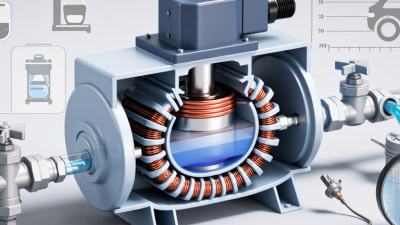
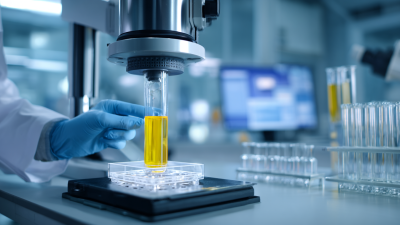
What Are the Top 10 Precision Pump Manufacturers?
Choosing among the top 10 precision pump manufacturers requires more than comparing catalog prices. A pump may look compact on a specification sheet, yet struggle with viscous fluids, abrasive particles, or frequent start-stop cycles. In a laboratory, a small flow error can distort an entire experiment. In pharmaceutical production, it can affect a carefully measured batch.
Fluid-mechanics authority Robert W. Fox wrote, “A pump adds energy to a fluid.” That simple observation remains useful. The best precision pump must deliver controlled energy, stable flow, repeatable dosing, and dependable operation under real conditions. This introduction examines leading manufacturers through those practical requirements, not brand visibility alone.
The comparison considers flow accuracy, pressure stability, materials, control systems, cleanability, service support, and total ownership cost. It also looks at technologies such as diaphragm, syringe, peristaltic, gear, and piston designs. Each has strengths. None is perfect.
Manufacturer experience matters. So does evidence. We will weigh published specifications against application records, certifications, testing practices, and customer support. Some companies offer impressive digital controls but limited regional service. Others provide durable hardware with less polished software. That difference can become expensive after installation.
The ranking should not be treated as universal. A chemical process, medical analyzer, and inkjet system need different solutions. Even the “best” precision pump can fail when selected without considering fluid chemistry, temperature, tubing compatibility, or maintenance access. That part is often overlooked. This guide aims to make those trade-offs visible, while acknowledging that available data is sometimes incomplete and manufacturer claims require careful verification.
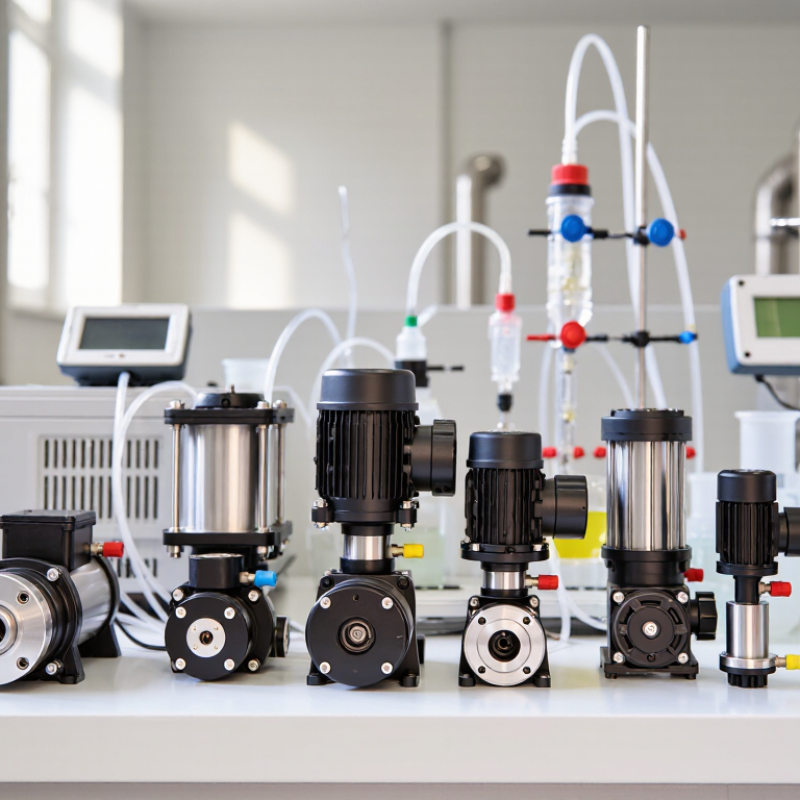
Defining Precision Pumps and Their Core Performance Criteria
Precision pumps move measured volumes with unusually tight control. They are used when a few microliters, milliliters, or steady flow rates affect product quality. Unlike basic transfer pumps, they prioritize accuracy, repeatability, and predictable performance under changing conditions.
In practice, I assess flow accuracy first. Does the pump deliver the selected volume, or only an attractive specification? Repeatability matters just as much. A process may tolerate a small error once, but repeated variation can ruin dosing consistency. Pressure capability, flow range, and response time also deserve attention. A pump should maintain control near its operating limits, not only at ideal laboratory settings. That distinction is often overlooked.
Material compatibility is equally important. Wetted parts must resist the fluid, temperature, and cleaning method. Pulsation can disturb sensors, coating lines, and analytical instruments, so smooth delivery is a core criterion. I also examine calibration procedures, seal life, noise, maintenance access, and available performance records. These details reveal whether a precision pump is dependable beyond the test bench. My own evaluation is not perfect; installation errors and fluid changes can distort results. Even the best pump needs proper tubing, careful calibration, and operators who record real operating conditions.
Key Industries and Applications for Precision Pump Systems
Precision pump systems matter when a few microliters can change product quality. In pharmaceutical filling, they meter active ingredients, solvents, and sterile buffers. Engineers often select diaphragm or piston designs with cleanable wetted paths. Field commissioning reveals an important detail: startup stability may differ from catalog accuracy. Viscosity, temperature, and back pressure can shift actual delivery.
Semiconductor facilities use precision pumps for ultra-clean chemicals, polishing fluids, and cooling systems. Battery plants require controlled dosing for electrolytes, solvents, and coating materials. Food processors use these systems for flavors, enzymes, colors, and nutritional additives. Water treatment facilities depend on accurate pumps for disinfectants, coagulants, and pH control. Laboratory automation also relies on repeatable micro-volume dispensing. The smallest systems can be demanding.
When comparing leading manufacturers, buyers should examine calibration methods, material compatibility, pulsation control, digital interfaces, and service support. A pump built for sterile fluids may perform poorly with abrasive slurries. That mismatch is easy to miss. Published accuracy is not field truth by itself. Trapped air, flexible tubing, worn seals, and poor installation can reduce consistency. Engineers should test the pump with the real fluid and duty cycle. A controlled trial is often more useful than a polished specification sheet.
How to Evaluate Leading Precision Pump Manufacturers
What Are the Top 10 Precision Pump Manufacturers?
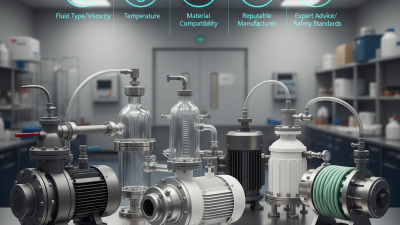
Ranking the top ten precision pump manufacturers requires more than comparing product catalogs. A reliable evaluation begins with application experience. Check whether the manufacturer has handled similar fluids, pressures, temperatures, and dosing tolerances. Ask for test data from real installations, not only laboratory claims. Pump accuracy may change when viscosity, pulsation, or ambient temperature changes. That detail often separates a dependable supplier from an impressive website.
Tips: Request calibration records, material certificates, and performance curves. Confirm how each test was performed. Compare repeatability, flow stability, seal life, and energy use under identical conditions. Examine manufacturing controls, inspection procedures, and traceability. A supplier with responsive technical support can prevent costly downtime. Service matters.
Independent certifications can strengthen credibility, but certificates alone do not prove practical performance. Review warranty terms, spare-parts availability, repair capacity, and training options. Speak with current users when possible. Their maintenance notes may reveal issues hidden during demonstrations. Be cautious with rankings based only on revenue or market visibility. There is no universal top ten for every process. A manufacturer suited to clean laboratory dosing may perform poorly in abrasive industrial service. Even experienced evaluators can overvalue polished documentation. Recheck assumptions before selecting a long-term partner.
Top 10 Precision Pump Manufacturers and Their Distinctive Strengths
Precision pumps are judged by repeatability, not headline flow. The ten leading manufacturers stand out through different strengths: ultra-low-flow dosing, high-pressure piston systems, chemically resistant diaphragm designs, and gentle peristaltic handling. Others focus on compact gear pumps, magnetic-drive protection, or digitally controlled calibration. The strongest suppliers also provide traceable testing, spare-parts planning, and application support. Hardware alone is not enough.
Market definitions vary. Grand View Research valued the global metering pumps market at approximately USD 7.6 billion in 2023 and projected steady growth through 2030. MarketsandMarkets also identifies chemical processing, water treatment, and pharmaceuticals as major demand areas. These reports support a practical ranking, but they do not measure precision in exactly the same way. That limitation matters.
Real-world performance appears in small details. A good pump should hold a stable dose during long shifts, resist seal swelling, and recover quickly after maintenance. Smart models add pressure feedback, alarms, and remote monitoring. High-end manufacturers often publish calibration curves rather than vague accuracy claims. Better evidence.
The ten strongest producers generally separate themselves through reliability, materials expertise, automation, and regional service coverage. Some excel in sterile fluid transfer; others handle abrasive slurries or corrosive reagents. Energy efficiency is increasingly important, although many comparisons still emphasize purchase price. That can mislead buyers. A lower-cost pump may demand more calibration, downtime, and replacement parts over its service life. Selecting the right manufacturer therefore requires testing the actual fluid, pressure, temperature, and duty cycle—not trusting a ranking alone.
Comparing Product Quality, Technology, Service, and Global Reach
A credible comparison of the top 10 precision pump manufacturers should begin with measurable product quality, not polished brochures. Look for flow stability, pressure tolerance, seal life, noise control, and repeatability during long duty cycles. In a laboratory, a pump that holds a target flow within tight limits can protect dosing accuracy and reduce material waste. Ask for test data, calibration records, and traceable quality procedures. Factory audits and independent certifications add confidence, but paperwork cannot reveal every weakness. Real operating evidence matters more.
Technology separates capable manufacturers from merely established suppliers. Strong candidates may offer smart controllers, sensor feedback, remote diagnostics, and corrosion-resistant materials. Yet advanced features help only when technicians can support them. Examine response times, spare-parts availability, commissioning support, and repair instructions. Global reach should include local inventory, trained service partners, clear warranty terms, and communication across time zones. A broad distribution map is not enough. Some suppliers appear global but leave customers waiting weeks for a simple seal kit. That gap deserves attention.
Tips: Request a performance curve under your actual fluid and temperature conditions. Compare three-year ownership costs, not only purchase prices. Speak with existing users about failures, service delays, and replacement parts. If possible, inspect a running installation. It may expose vibration, heat, or maintenance issues that a sales demonstration hides. No ranking is perfect; weighting service too lightly is an easy mistake.